The Japanese attacked Pearl Harbor in Hawaii on December 7, 1941, in less than two hours dropping bombs that killed over 2400 Americans and destroyed a large part of the U.S. fleet in the Pacific. This act of aggression brought the United States into World War II.

(National World War II Museum)
First Lady Eleanor Roosevelt gave a brief radio address that day, part of it directed at “the women of the country.” She acknowledged the tough times ahead and encouraged women to take care of themselves, their families, their communities. “Whatever is asked of us,” the First Lady said, “I am sure we can accomplish it.”
Peggy Utinsky probably did not hear Roosevelt’s words, but she did not need them to spur her into action. Peggy, a nurse, had been living in the Philippine Islands since the 1920s and had married Jack Utinsky, an engineer working for the U.S. military there. As tensions escalated between the United States and Japan in 1940 and 1941, Jack worried about the safety of the Philippines, located about 1900 miles from Japan.

Jack tried to send Peggy back to the states earlier in 1941, but she refused to go. While Jack was working to fortify the Bataan peninsula, Peggy rented an apartment in Manila and split her days between working at the Red Cross and a soldiers’ canteen.
The Japanese bombed the Philippines the same day they hit Hawaii–though because of the International Dateline, it was Monday, December 8 in the Philippines. Unlike their attack on Hawaii, this was a prelude to invasion and occupation. Peggy Utinsky didn’t wait until anyone asked anything of her. She kept working. Wounded civilians and military personnel crowded into Manila hospitals and emergency medical facilities. Peggy worked until she couldn’t stand up anymore. Then, nearly sightless in the blacked-out night, she picked her way back to her apartment along bomb-ravaged sidewalks. After a few hours of rest, she headed back to the hospital.
As the Japanese occupied the Philippines in early 1942, Peggy Utinsky undertook the dangerous work of smuggling supplies into the prisoner of war camps in the island of Luzon. She lost much during the war: her husband Jack died as a POW, she sold or bartered away her possessions to raise funds for her underground network, she suffered from physical and psychological ailments in the aftermath of her arrest and torture by the Japanese.
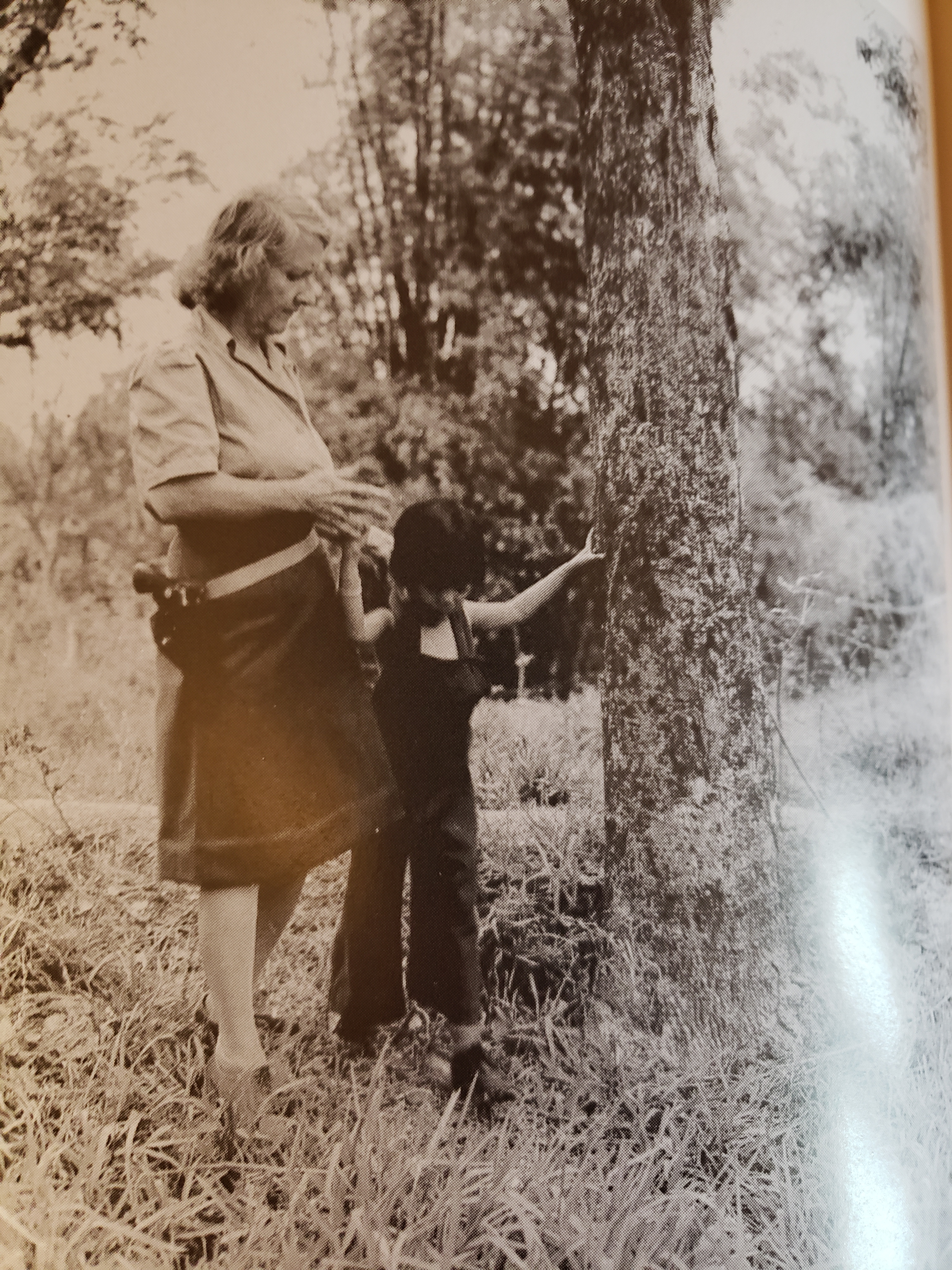
(NARA photo)
I wrote about Peggy and three other remarkable American women in Angels of the Underground, and I still remember them every year on this anniversary.

*Note: This is a revised version of a blog post from December 2016.
 Theresa Kaminski
You must be logged in to post a comment.