Favorite Fiction of 2017

This year’s list is, as usual, as heavy on historical fiction as it is on women writers.

Image result for grace metalious

How I made my selections: I went through the books I read in 2017 and collected the ones I awarded five stars. This is the way I evaluate books. Favorites get five stars; everything else I consider some variation of good. Eight of those made yesterday’s list.

In 2017, nine books of the fifty-five I read received five stars. Here they are, in alphabetical order by the author’s last name:

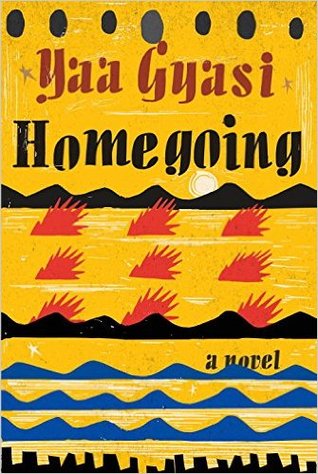
Homegoing

This multi-generational family saga tells the story of both Ghana and the United States, revealing the pervasive, pernicious effects of slavery. A real triumph for Gyasi and well-deserving of all the literary awards.

The Velveteen Daughter

Based on the lives of Margery Williams Bianco, author of The Velveteen Rabbit, and her equally talented but troubled daughter, Pamela, this is a gorgeously written work of historical fiction. I especially loved the alternating points of view.

Pachinko

Another multi-generation family story, this one is set in Korea and Japan in the 20th century. Each character is finely drawn, each setting brims with life. It was very hard to put this book down.

Little Fires Everywhere

Ng once again demonstrates her mastery of the psychology of her characters. Set in suburban Shaker Heights in the recent past, the arrival of a single mother with her teenage daughter reveals the racial fault lines of the placid community.

Commonwealth

Trust Patchett to take what appears at the start as a conventional story about the trials and tribulations of a modern blended family and fashion it into a rumination on the power of connections and stories.

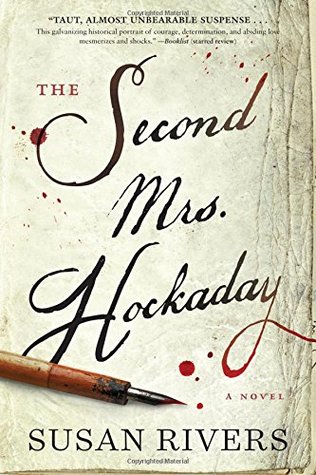
The Second Mrs. Hockaday

A fine work of historical fiction from first-time novelist Rivers. This is a page-turning story of a young woman who navigates her way through the tumult of the Civil War, confronting the tentacled evils of the institution of slavery.

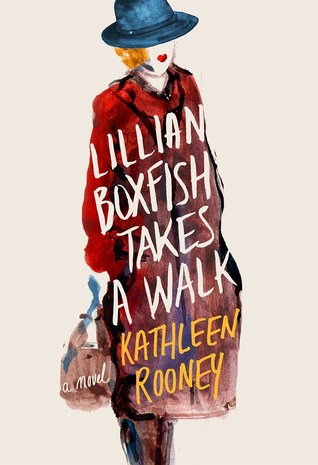
Lillian Boxfish Takes a Walk

Pick it up for the oddly charming title and read it cover to cover for a historical sweep of twentieth-century America through the eyes of a pioneering female advertising executive. In Rooney’s capable hands, charming is never superficial.

Anything Is Possible

A fine collection of linked stories about the people of Amgash, Illinois. Strout’s writing is so, so beautiful. Any year in which she publishes a book is a good reading year.

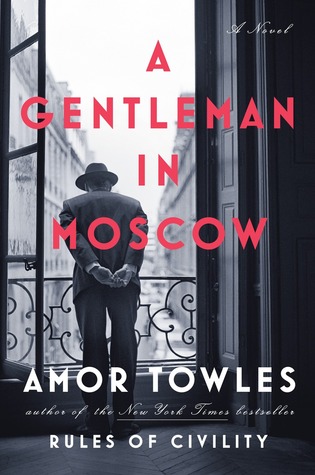
A Gentleman in Moscow

Totally absorbing tale of Russia in the twentieth century told through the experiences of a man confined to house arrest in a Moscow hotel. It deserves all the rave reviews.

Coming up next, reflections on my 2017 nonfiction reading.

Reading Roundup of 2017

It’s time for my annual reading roundup.

Image result for cowgirl with lasso

Today’s list represents the good fiction I read in 2017 (though not necessarily published in 2017). There are no magic numbers–no top ten, no specific number of stars. Instead, a rather subjective distinction between good and, coming next, favorite.

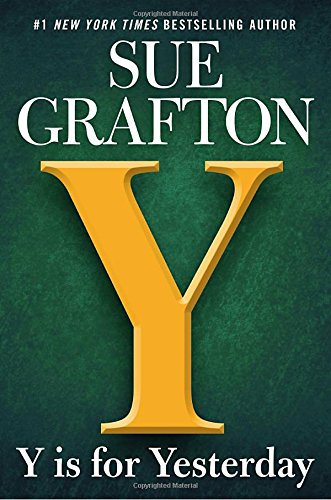
Half of the good list is made up of new installments of mystery series. In a sad coincidence, I was pulling together this year’s roundup when I read about Sue Grafton’s untimely death. 2017 saw the publication Y is for Yesterday, what was supposed to be the penultimate volume of her long running alphabet series featuring the ground-breaking female detective, Kinsey Millhone. I really liked the book, with its solid mystery plot and its attention to Kinsey’s complex character. Through twenty-five books, Kinsey never lost her edge.

Neither has V.I. Warshawski, Sara Paretsky’s female detective who made her debut the same year as Kinsey Millhone. I’ve always been drawn more to Paretsky’s series for its emphasis on political issues, both contemporary and historical, and its Chicago setting. In her 18th V.I. Warshawski story, Fallout, Paretsky moves seamlessly between past and present as V.I. works a case that takes her from Chicago to rural Kansas.

Nicholas Petrie begins Burning Bright, the second volume of his Peter Ash series, in rural California, among the redwoods. Ash is a veteran, troubled, but determined to take control of his life. Lots of reviews compare him to Jack Reacher, but I think Petrie has something different in mind for his character, and I’m eager to continue the series.

Maisie Dobbs remains one of the most distinctive detectives in a historical series. In This Grave Hour, the 13th book of Jacqueline Winspear’s to feature the investigator and psychologist, brings Maisie’s adventures to the opening days of World War II. Over more than a dozen plots, Winspear has efficiently and effectively moved Maisie through the early 20th century, forcing her to deal with both personal and professional challenges.

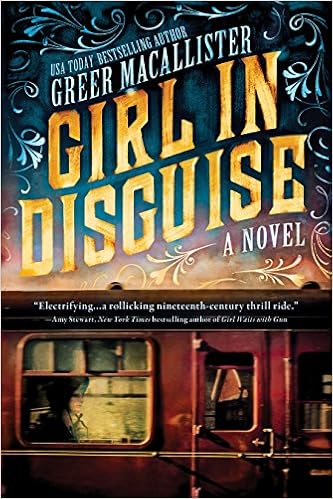
Now for the good stand alone works of fiction. I really enjoyed Greer Macallister’s Girl in Disguise, based on the real-life Kate Warne, the first woman hired by the famed Pinkerton Detective Agency.

Moody and atmospheric describe The History of Wolves by Emily Fridlund and Idaho by Emily Ruskovich. Both are family stories, tinged with mystery, and are beautifully written.

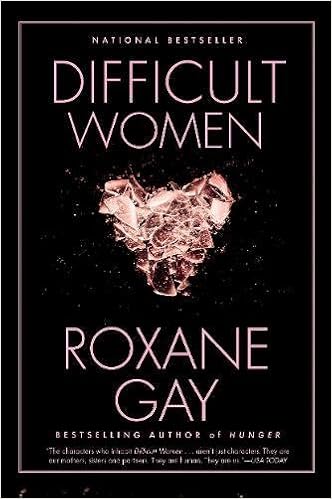
Beautiful writing permeates all of Roxane Gay’s books. Difficult Women, a collection of short stories, is aptly titled. The characters are “difficult” and the plots are often uncomfortable, but I couldn’t stop reading.

Those were all the good works of fiction I read in 2017. Up next, my nine favorites.


Y is for Yesterday: How Sue Grafton Redefined the Alphabet

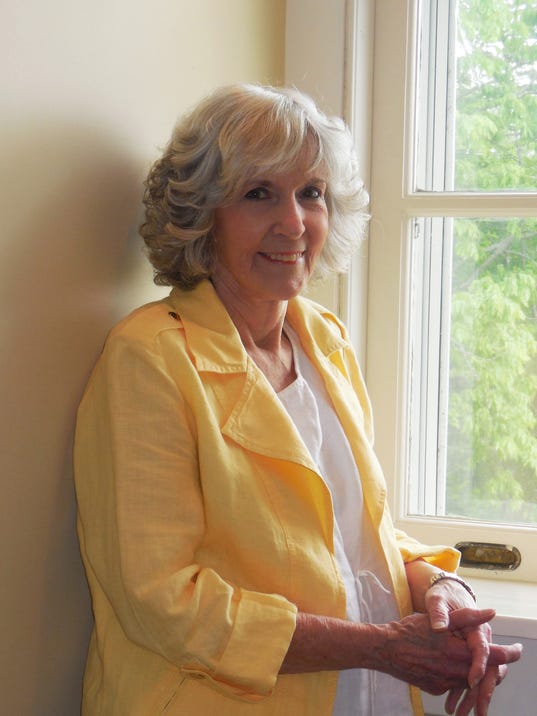
Novelist Sue Grafton, a New York Times bestselling author, died last night. She had been sick for a couple of years yet managed to finish the penultimate volume in her long-running Kinsey Millhone series, Y is for Yesterday. I don’t remember when I started reading Grafton’s books–probably some time in the 1990s–but I know I was always eager to pick up the latest, including this one. Whenever I think of the alphabet, I don’t only think of letters. I think of Kinsey and crime.

Image result for y is for yesterday

Kinsey Millhone made her debut in 1982. It’s not that she was the first female detective, but she was a long, long way from Miss Marple. Kinsey was very much a woman of her time, making her way in a male-dominated profession, a tough and savvy businesswoman who cultivated a variety of close relationships. She was a complex character. Smart, without being a know-it-all, and sympathetic, without being a pushover. As a Newsweek reviewer pointed out early on: “Grafton has created a woman we feel we know, a tough cookie with a soft center, a gregarious loner…smart, well paced, and very funny.”

Grafton began the series with A is for Alibi. As she told a reporter in 2008, she figured it would take three or four novels before she got the formula down, then the books would flow easily. Instead, Grafton found it difficult to come up with fresh plot ideas. Writing didn’t come easily. Yet once she started with the letter A, she knew she was in for a total of 26 books, publishing one about every two years. It would take the full length of the alphabet to tell all of Kinsey’s story. In that 2008 interview, Grafton predicted she would finish when she turned 80.

Sue Grafton was 77 when she died. She had the title for the final book, Z is for Zero, but nothing more than that.

Y is where the alphabet ends.

Image result for sue grafton cancer


Halt and Catch Fire: A Smart Series

Four seasons, forty episodes. That’s all this fine series, helmed by Christopher Cantwell and Christopher C. Rogers, needed to tell its story about smart people and their dreams. That two of those smart people are women, makes Halt and Catch Fire a riveting chronicle of the lives of working women in the recent past.

Image result for halt and catch fire

The story stretches from the early 1980s into the 1990s, documenting the rise of the personal computing industry and providing a glimpse of what it was like to be a woman working in that field. Cameron Howe (played by Mackenzie Davis) is the brilliant programmer, lured away from college to help launch risky new projects. Donna Clark (played by Kerry Bishé) is a computer engineer bored with her job at Texas Instruments. She and her husband Gordon (Scoot McNairy), also an engineer, had tried and failed to build their own PC, but Gordon hasn’t given up. Joe MacMillan (Lee Pace) is the brash young entrepreneur who brings them all together. Four main characters: two male, two female.

The key to Halt and Catch Fire‘s success was the relationship between Cameron and Donna, two strong women intelligent in different ways. They accomplish great things individually; together they are like a supernova. The writers didn’t relegate them to supporting characters. Cameron and Donna had personal lives every bit as complicated as their professional lives. They weren’t on screen simply as love interests or to prop up the male leads.

The respect for the show’s female characters extended beyond Donna and Cameron. In the fourth season, Donna and Gordon’s daughter Haley (Susanna Skaggs) reveals her own computer genius, and she becomes an integral part of the plot. Even more stellar is Anna Chlumsky’s Dr. Katie Herman, a librarian with a Ph.D. hired by Gordon and Joe’s company, Comet, as its chief ontologist. Without her, Comet cannot succeed. (She eventually has an affair with Gordon, but that’s not her main purpose as a character.)

Image result for Dr. Katie Herman halt and catch fire

At its core, this is a brainy series. During the fourth season, Cameron finishes a new computer game, something unique and personal. She is bemused by the negative responses from beta testers who simply don’t get it. They want games with bright graphics and fast-moving parts that allow them to shoot and blow up things. Cameron has created a masterpiece for people who are challenged by thinking. She knows the audience she wants to reach. And so did the creators of Halt and Catch Fire.


When the Queen of the West Didn’t Meet the Queen of England

It could have been one of the most fascinating meetings of the post-World War II period– if the Queen of the West, the popular American singer and actor Dale Evans, had met the Queen of England. Given what they had in common (besides the Queen title), they would have had a lot to talk about. Elizabeth may wear a crown, but Dale always had the best hats.

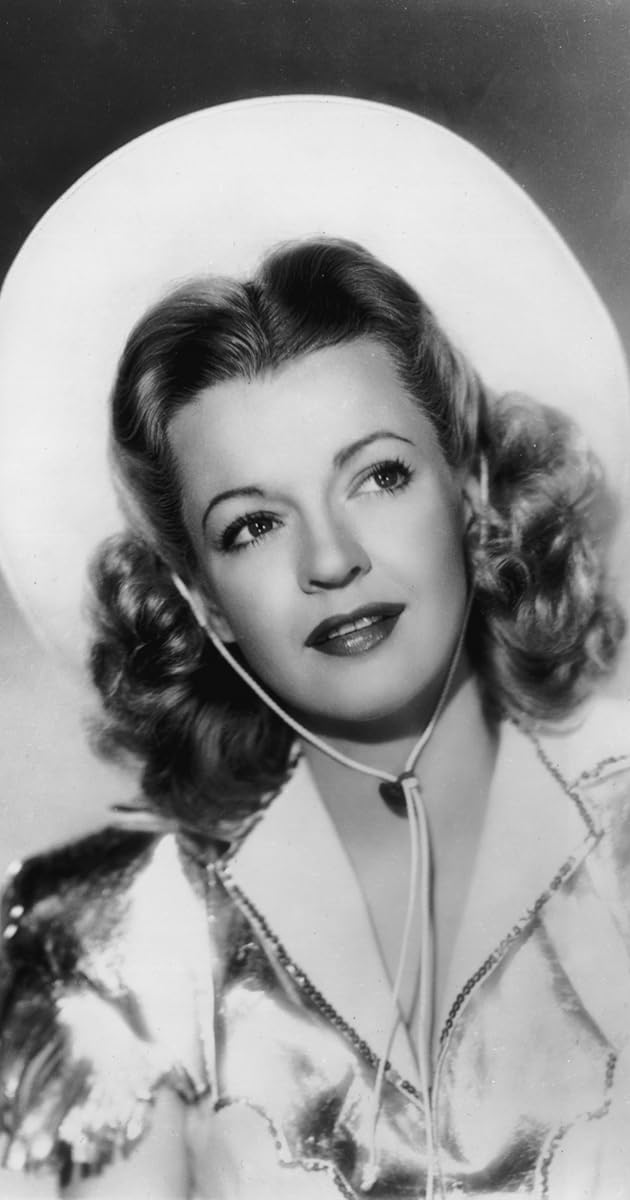
Image result for queen elizabeth 1954

Image result for dale evans 1950

Most of what I know about Queen Elizabeth II comes from the Netflix series The Crown. While I watch episodes, I search online to see how much is based in fact. For me, it’s a fun way to watch t.v. When season 2 debuted earlier this month, I was happy enough to continue the saga of Elizabeth II’s reign and increase my knowledge of modern British history. The first few episodes focus on The Marriage, still floundering because of Philip’s ongoing struggle with the fact that he’s not really the head of anything. (Elizabeth loves him and wants him to feel important, so sometimes he gets to wear really flashy clothes while she dresses like a suburban housewife.)

Image result for the crown season 2Newsweek photo

Episode 6, “Vergangenheit,” really caught my attention–enough that I watched it straight through without looking up a thing until it was over. The episode centers on Elizabeth’s attempt to reconcile her feelings about her uncle, the Duke of Windsor, whose abdication from the throne eventually made her queen. And being Queen, well, that’s what has been causing the problems with Philip. She wants to be a good wife and mother, but she also happens to have the best day job ever. How can she make it all work?

It’s 1955; the abdication is part of the past. But not the very long past–not for Elizabeth or other members of the royal family or the entire country.

Elizabeth considers herself a good Christian, though, which makes her wonder about forgiveness. It just so happens that a charismatic American preacher, Billy Graham, is touring England, so Elizabeth decides that a chat with him about faith is in order. Oh, and she finds him attractive, but of course not so much so that she’d consider doing anything untoward.
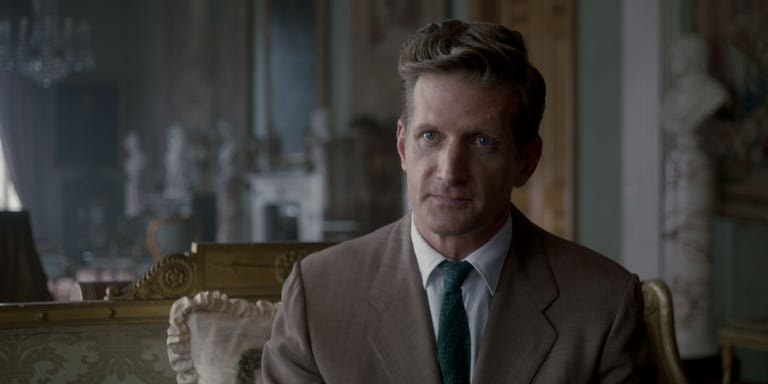
Image result for the crown season 2 billy graham

As Chris Gehrz points out in his Patheos article, the two did meet in real life when the Queen invited Graham to give a sermon in Windsor’s private chapel, after which he had an audience with her.

Faithful Christian or not, it would have been difficult for the Queen to have ignored Billy Graham’s popularity. The 1955 visit was his second to Great Britain. He had brought his “crusade” there the year before, and his London appearance attracted a crowd of millions.

Billy Graham in London BillyGraham.org

Prior to that trip, Graham had been unsure of his reception overseas. In the United States, his preaching had gone public only a few years earlier, in 1949 with the “Canvas Cathedral With the Steeple of Light” crusade in Los Angeles. Over eight weeks, 350,00 people crowded into a large tent to hear his message.

Image result for billy graham 1949 L.A. crusade ARDA

Part of Graham’s success in 1949 stemmed from his association with the Hollywood Christian Group, which included actors Jane Russell, Virginia Mayo, and Dale Evans. Most of what I know about Dale Evans comes from years of on-again, off-again researching and writing a book about her. In 1949, Dale had been married to Roy Rogers, the famous singing cowboy known as the King of the Cowboys, for almost two years. Dale already had a grown son from a previous marriage. Her union with Roy brought her three young step-children, and in 1950 they would have a daughter together. These big life changes prompted Dale to re-embrace the Christian faith she had sidelined on her road to stardom.

Billy Graham remained popular with the Hollywood Christian Group. As Dale recalled in the memoir Happy Trails, Graham had come to the Rogers-Evans home in the fall of 1953 to preside over a prayer meeting. He mentioned that he had been invited to bring his crusade to England, but he worried he wouldn’t attract much of an audience. Roy had a huge fan club there, so he said to Graham, “Why don’t we go over there ahead of you?  We’ll take Trigger and the whole show, do some performances to pave the way, then join you in London the first week you’re there.”

And they did. In February 1954, Dale Evans and Roy Rogers (with Trigger, too) toured Glasgow, Edinburgh, Birmingham, Liverpool, Belfast, and Dublin before moving on to London to work with Graham for the last eight days of his crusade. The couple attracted huge crowds wherever they went, and their performances always incorporated Christian music into their western-themed show. They also demonstrated their ongoing interest in children’s issues, dropping in at Mearnskirk Hospital in Glasgow to visit the young patients.

Dale Evans with patients and staff at Mearnskirk Hospital, 1954

Billy Graham didn’t need the Roy Rogers-Dale Evans warm-up act in 1955. But I wonder what would’ve happened if he did. Would the Queen of England have met the Queen of the West? Would they have discussed the importance of faith in their lives? The challenges of being well-known women balancing demanding jobs with equally demanding personal lives? The determination to do good on this Earth? It would’ve been a royally fascinating conversation.