Y is for Yesterday: How Sue Grafton Redefined the Alphabet

Novelist Sue Grafton, a New York Times bestselling author, died last night. She had been sick for a couple of years yet managed to finish the penultimate volume in her long-running Kinsey Millhone series, Y is for Yesterday. I don’t remember when I started reading Grafton’s books–probably some time in the 1990s–but I know I was always eager to pick up the latest, including this one. Whenever I think of the alphabet, I don’t only think of letters. I think of Kinsey and crime.
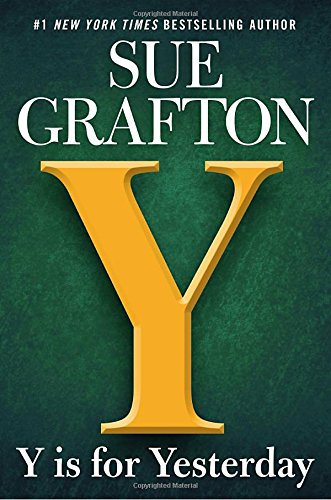
Image result for y is for yesterday

Kinsey Millhone made her debut in 1982. It’s not that she was the first female detective, but she was a long, long way from Miss Marple. Kinsey was very much a woman of her time, making her way in a male-dominated profession, a tough and savvy businesswoman who cultivated a variety of close relationships. She was a complex character. Smart, without being a know-it-all, and sympathetic, without being a pushover. As a Newsweek reviewer pointed out early on: “Grafton has created a woman we feel we know, a tough cookie with a soft center, a gregarious loner…smart, well paced, and very funny.”

Grafton began the series with A is for Alibi. As she told a reporter in 2008, she figured it would take three or four novels before she got the formula down, then the books would flow easily. Instead, Grafton found it difficult to come up with fresh plot ideas. Writing didn’t come easily. Yet once she started with the letter A, she knew she was in for a total of 26 books, publishing one about every two years. It would take the full length of the alphabet to tell all of Kinsey’s story. In that 2008 interview, Grafton predicted she would finish when she turned 80.

Sue Grafton was 77 when she died. She had the title for the final book, Z is for Zero, but nothing more than that.

Y is where the alphabet ends.
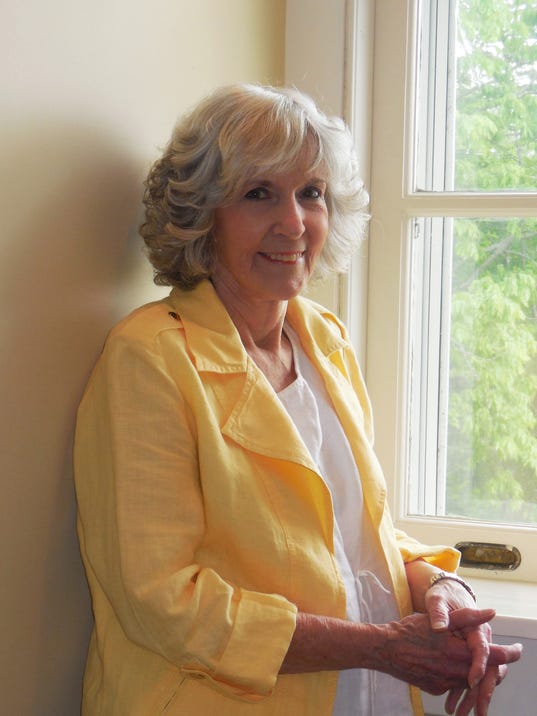
Image result for sue grafton cancer


Are You a Fan of Narrative Nonfiction?

As a historian, I like stories about the past. Those of you who are regular readers of this blog (thank you) know about my fondness for historical fiction. But I’m also drawn to well-told tales of people and events from years gone by.

About a month ago I was invited by a small group of like-minded women to start a discussion group for fans of narrative nonfiction on Facebook. Illuminate: Bright Minds, Fabulous Nonfiction is now a thriving, yet still growing, community. Please consider joining me there, and you’ll get to know these wonderful authors:

Holly Tucker, a professor at Vanderbilt University, who just published a book about murder in Paris during the 1600s. It’s been generating quite the buzz.

book cover

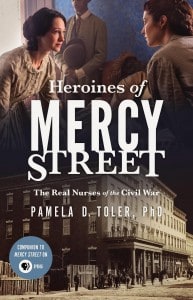
Pamela Toler, freelance writer and academic renegade, who recently published the companion book for the PBS series, Mercy Street. She’s currently working on a new book about strong women across time (details are still hush-hush).

Heroines of Mercy Street

Anne Boyd Rioux, professor at the University of New Orleans, whose most recent biography was reviewed on the cover of the New York Times Book Review. Her new project is about the American classic, Little Women.

Cover smaller


So come join us on Facebook and Illuminate your reading list!


World Book Day

There seems to be a day for everything–ice cream, pickles, beer–you name it and you can celebrate it.

Today is World Book Day. As an avid reader and a painstaking writer, this is my kind of day.

This special day for books has me thinking about an event I attended earlier this week. A local book club chose my recent Angels of the Underground as their April book, and invited me to the meeting to talk about the book. This club has been active since the 1930s, and its members are serious about their love of books. (Its business meetings are convened with the sharp rap of a gavel.) The members prefer to read nonfiction and especially like books that deal with women’s issues. We all had a wonderful conversation about Angels that stretched beyond my presentation into the cheesecake-and-coffee social time.

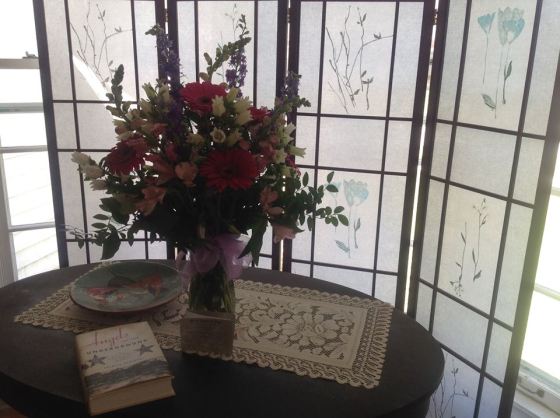
A couple of days later, the book club sent a lovely flower arrangement as a thank you. Seems like I should have been the one to send the flowers!

book club flowers

How to Find Good Books

Much of my life is focused on reading and writing. I’m always reading two or three books at a time, usually one that I’m reviewing and a couple others for leisure. Then there are the ones I read for my own research and for preparing lectures. Books, books, books.

... embroidery Cute book shelf ...(Painting by Jorge Cruz)

How can you find books that you might like? One way is to look on one of the big book websites like Amazon. If you plug in a title or a subject, Amazon will make recommendations.

You can ask a librarian. Some of them, like Becky Spratford, are specially training to give readers advice.

You can read book industry publications. Publishers Weekly includes a Books of the Week feature that highlights a variety of genres.

You can follow editors, publishers, and writers at online places like Facebook and Twitter. There you can specifically tailor your followings to your reading interests. For those of you who like to read about early American history, for instance, there is a gold mine of reading suggestions in The Junto’s version of March Madness.

So fill your bookshelves. There’s lots to choose from.