
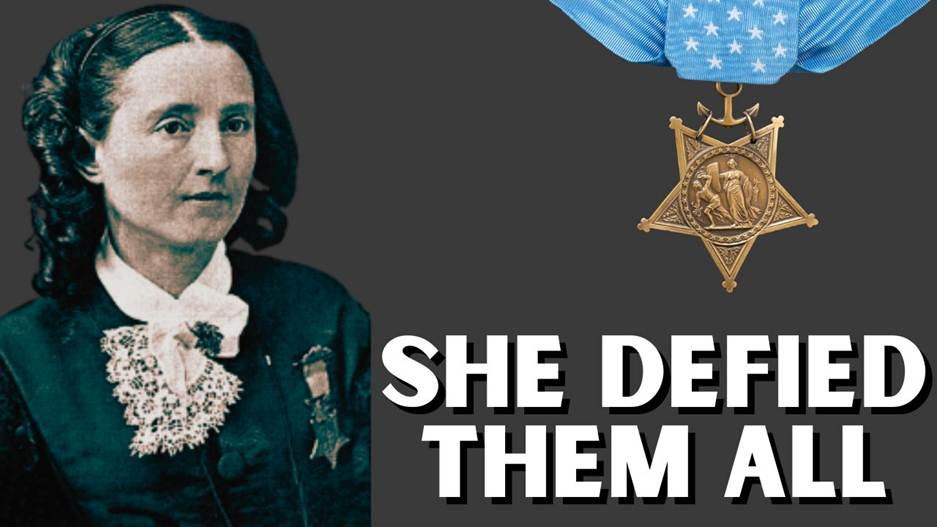
This past Tuesday, I enjoyed presenting “She Defied Them All.” This talk about Dr. Mary Walker is now available on John Heckman’s YouTube channel, The Tattooed Historian, for you to watch at your leisure. You can also find The Tattooed Historian page on Facebook, Instagram, this podcast, and on Substack. A lot of good history content is there.
Any presentation I give is the result of several days of preparation. I start with a basic set of PowerPoint slides and corresponding notecards (to keep me from wandering from my point) that I created back in 2020, when Dr. Mary Walker’s Civil War first came out. Then I tailor it for each individual event. This time, the talk revolved around the theme of defiance, and plenty of it was in evidence throughout Walker’s life.
That tailoring means I reread portions of my own book to reacquaint myself with the details of Mary Walker’s experiences and beliefs. And that’s hard for me to do because I always, always find sentences, paragraphs, and even entire pages that I wish I could rewrite to make them better. It’s less about historical facts and analysis and more about style.
I have yet to find the sweet spot where historical analysis meets elegant narrative. I have to keep working at it. I do this by doing: writing and rewriting. I also read books on craft written by very accomplished people. I take workshops with very accomplished people. I read and reread books that I admire.
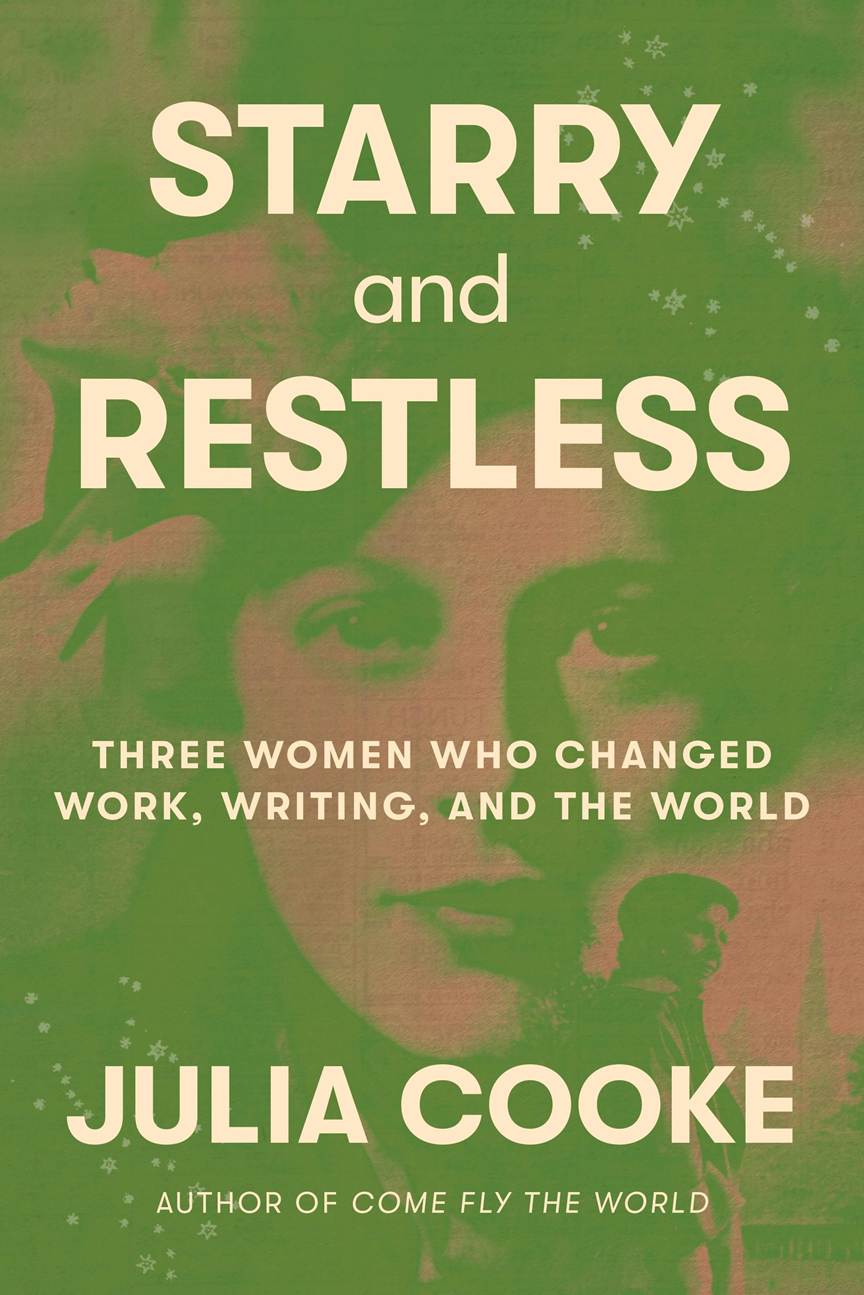
Right now, I’m in awe of Julia Cooke’s style. I finished reading Starry and Restless: Three Women Who Changed Work, Writing, and the World this week, and it’s one of the best books I’ve read so far this year. That’s the way I wish I could write. It’s something to aim for.
And this may be one of the reasons why I’ve been drawn to Jane Grant’s story. She tried to do so many things with her life and rarely achieved the success she envisioned. In writing about her life, I am trying to uncover the source(s) of her motivation, how she handled disappointments, and what she marked as achievements.
These are the things I think about as I continue with this new draft of the Jane Grant book. It seems about as rough as the last one. But I’m still at it every day, still sticking with my decision to carve out a whole separate chapter about Jane’s determination to get the France during World War I. I think it’s crucial for understanding her aspirations for her career and her personal life. And it was a pivotal time for thousands of American women who, like Jane, felt compelled to decide how (or if) they were going to support the war effort.
Women’s History Month
It’s almost over for 2026. Pamela Toler’s annual WHM blog series on History in the Margins ends today, but you can always read the pieces any time. Be sure to take a look.
What I’m Reading
My leisure reading book is Ocean Vuong’s luminous novel, The Emperor of Gladness. I had to skip the section about the hogs.
I’ve started The Typewriter and the Guillotine: An American Journalist, a German Serial Killer, and Paris on the Eve of WWII by Mark Braude. Not that you would know it from the title (I know title and cover design are about marketing and selling books), but it’s about the great writer Janet Flanner, who Jane Grant recruited in 1925 as the Paris correspondent for The New Yorker.
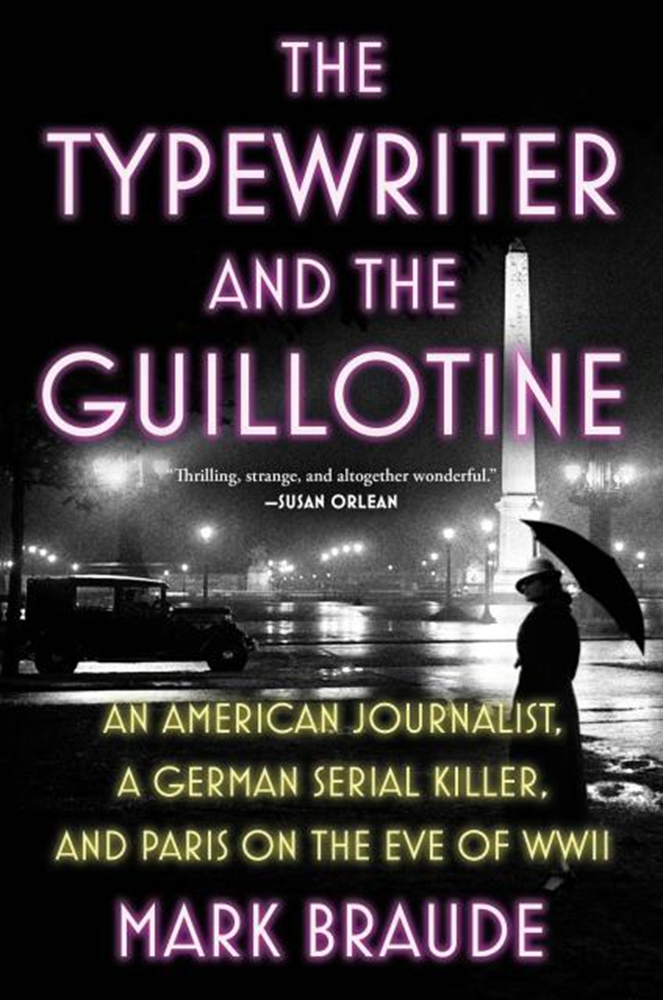
I probably would never have picked up this book if I hadn’t read a review of it that actually identified Flanner as that American journalist. For me, that’s the book’s biggest draw. So far, I’ve been enjoying the sections about her life in France and her writing career. I’m curious about how and why a serial killer becomes important to Flanner. So, I keep reading.
I also have Gayle Feldman’s magisterial Nothing Random: Bennett Cerf and the Publishing House He Built. I’ve only looked through the table of contents, index, bibliography, and skimmed some of the 800+ pages of text. I don’t know how much of it I’ll have the time to read.
What I’m Watching
One episode in on each of the new PBS dramas, The Forsytes and The Count of Monte Cristo.
Started the new Netflix series, Detective Hole, set in contemporary Oslo, Norway.
Another weekly episode of Mudtown (BritBox), a crime series set in Wales, featuring a female magistrate. It’s intense.
Only one episode left of Young Sherlock (Prime)
The filler sitcom has been Animal Control (Netflix), an amusing workplace comedy.
Still haven’t been back to Hope Street (BritBox) or Scarpetta (Prime).
What Else Is Happening
Back to two games of mediocre bowling for me. But it was still fun.
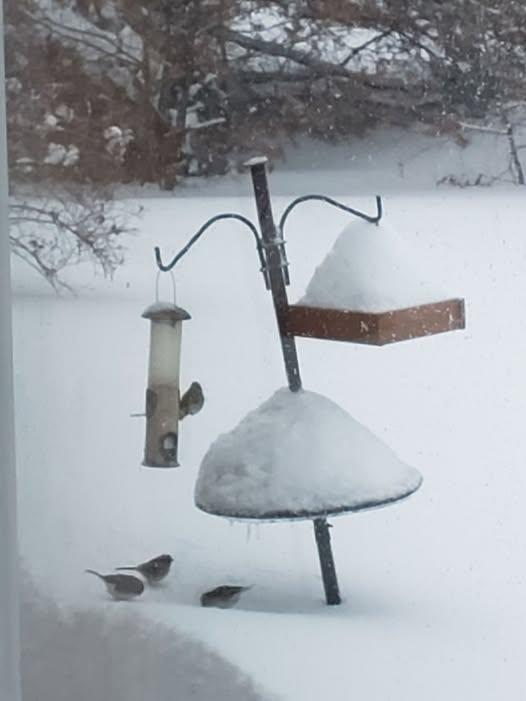
Almost all the snow from the big blizzard is gone. The birds are singing again in the morning. I watched a young buck saunter through the back forty here at Southfork. But I haven’t seen any new greenery popping up yet.
Thanks for reading!
 Theresa Kaminski
You must be logged in to post a comment.