Getting Ready for Memorial Day

From the blog’s archives from last year:

We’re on the downside of May. This is always my favorite, favorite time of year. It marks my wedding anniversary. It means the end of another academic year. It means warm weather and the promise of even warmer, sunnier days–so welcome after the long Wisconsin winter.

Memorial Day kicks off summer. It’s an odd marker. Memorial Day, originally called Decoration Day to honor those who died during the Civil War, is about remembering members of the military who died in service to their country. It became a federal holiday in 1971, and its observance was moved to the last Monday of May.

The women I wrote about in Angels of the Underground were not in the military. They didn’t die during World War II; they didn’t make the ultimate sacrifice. Horrified by the number of Americans and Filipinos who died during the battles of Bataan and Corregidor, who perished along the Death March, and succumbed to diseases in POW camps, they did whatever they could to minimize additional loss of life.

On this Memorial Day, remember those men.

I’m Working Here

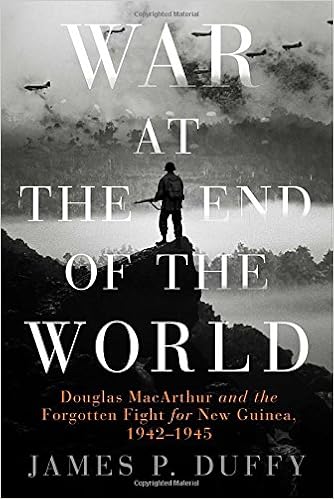
This summer I had the good fortune to meet author James Duffy. Most recently, he wrote this fascinating book about the Pacific theater in World War II:

He’s written more books than I ever will, and he’s done so while working a full-time job. James frequently turned down speaking engagements because he didn’t have the time. He was always working, whether at his day job or nights and weekends at his writing.

Now, whenever I hear the phrase “I’m working here,” I think about the life of a writer. We’re always working. The day job pays the bills. The writing, well, it both keeps us sane and drives us crazy.

Image result for writer at work sign

Right now, it’s keeping me sane. I’m doing what I think of as preliminary writing: working on a book proposal. Still, it’s writing and it’s history. It keeps my mind off the great swirl of contemporary politics. As a historian, I’m more comfortable dealing with events that happened in the past. For now, I keep the radio and the television turned off and keep my eyes and fingertips on the keyboard. I’m working here.

Image result for historian clipart


I’ve Been on Television

All sorts of interesting things can happen once you’ve published a book. As an academic historian, I’m used to giving classrooms lectures and presenting research papers at scholarly conferences. The lectures usually involve large rooms of a mostly captive audience. The research presentations usually small rooms populated by other scholars interested in the same historical topic I am.

Image result for 1950s college classroom

After I published Angels of the Underground, I was invited to give a talk for a World War II symposium at the MacArthur Memorial. While most of the people who attended didn’t know much about those angels, they did know something about the war in the Pacific theater. It was a very engaging day, and I got to talk to a lot of interesting people.

The entire symposium was fascinating, and it was filmed. There was a C-SPAN camera rolling in the back of the auditorium while I gave my talk. I tried not to stare at it. I did pretty good with forgetting but not forgetting it was there.

C-SPAN3 American History TV aired the talk last night. You can watch it here:

https://www.c-span.org/video/?411781-4/us-women-spies-philippines-world-war-ii

So now I’ve been on t.v., and the angels have gained a wider audience.


The Meaning of a Date

For most people around the world, August 6 marks the day everything changed. To hasten the end of the war in the Pacific, the United States dropped the first atomic bomb on Hiroshima, Japan.
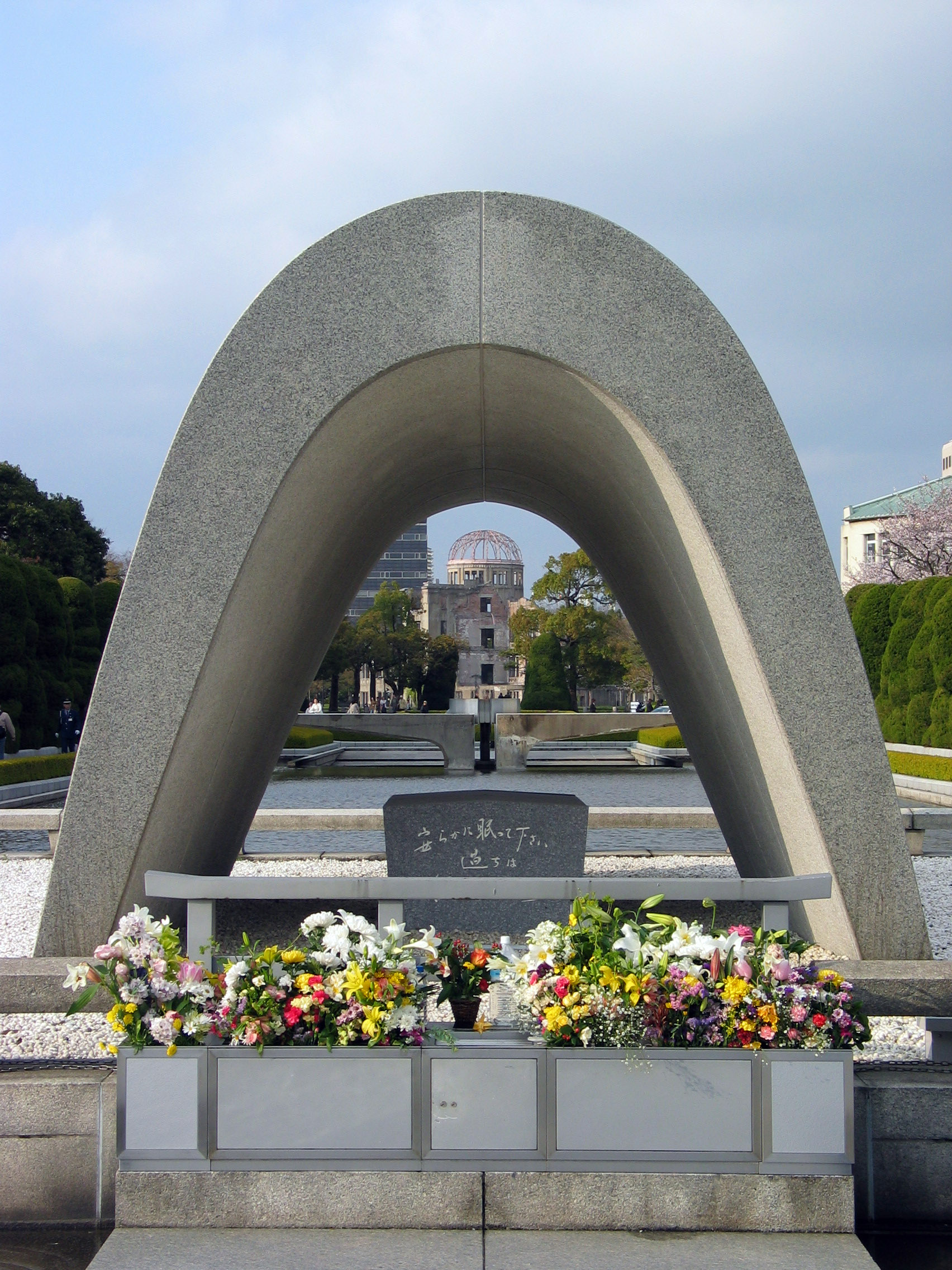
One of the first accounts I read was John Hersey’s now classic piece, published in The New Yorker in 1946. Part of the brilliance of that article was Hersey’s ability to render this catastrophic event in very personal terms. For Hersey, it was the people who mattered.

By the time “Hiroshima” appeared in the magazine, World War II had been over for a year. Survivors worldwide were in various stages of rebuilding. Part of that meant grappling with the realities of living in an atomic age. Human beings now possessed extraordinary destructive power. Every year on August 6, people commemorate Hiroshima and contemplate what led to the decision to use atomic weapons.

The end of World War II also left people grappling with personal issues. Peggy Utinsky, a nurse, spent the war years trapped in the Philippines under an enemy occupation. After the surrender of American and Filipino forces to the Japanese in the spring of 1942, Peggy had one goal: the find her husband Jack, one of the surrendered.

Now labeled an enemy alien in Japanese-occupied Manila, Peggy arranged for fake identity papers and joined a Red Cross medical mission to the Bataan peninsula. Amidst the smoldering ruins of that battle, she treated wounded and sick Filipino citizens, always asking after Jack.

When Peggy learned that the POWs had been put into Camp O’Donnell, she helped set up an underground supply network to make sure the men received the food and medicine they needed. She assumed Jack was there, but couldn’t get confirmation.

When the Japanese transferred the POWs to Cabanatuan, Peggy shifted her operation there. At the end of December 1942, one of her associates, Naomi Flores, made contact with one of the American prisoners working in the camp’s vegetable garden, Lieutenant Colonel Edward Mack. Naomi asked him to find out where Jack Utinsky was, and Mack wrote out a message for Peggy:

“Your husband died here on August 6, 1942. You will be told he died of tuberculosis. That is not true. The men say that he actually died of starvation.”

For the rest of her life, August 6 would have a special, personal heartbreaking meaning for Peggy Utinsky. Every year when she marked the anniversary of her husband’s death, the rest of the world talked about Hiroshima. For Peggy, these two events would always be linked.

In late 1942, news of Jack’s death had a profound effect on Peggy. She still had the rest of the war ahead of her. She had to figure out how to survive it. The rest of her story can be found in Angels of the Underground.
 

The Day Before

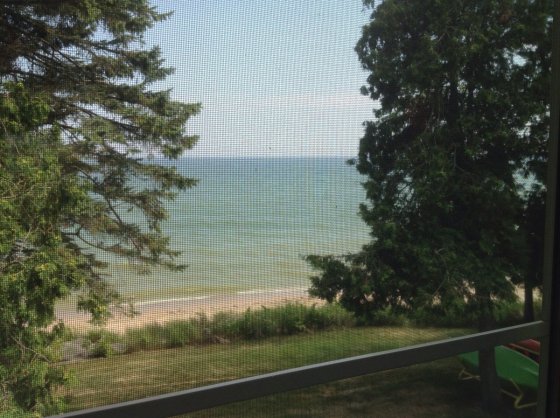
I’ve been on vacation. I try not to work during this time, but trying isn’t quite doing. I had a book review to write and submit by August 1. It was tough, especially since that deadline competed with views like this:

Sturgeon Bay

In the midst of this tranquility, I realized today is August 5. I wonder what that day was like in 1945. By the next day, the world had changed. More on that tomorrow.