Dr. Mary Walker Wednesday #5

This is the fifth in my Dr. Mary Walker Wednesdays series. Each week I’ll post the first sentence of a new chapter, along with images that relate to material in the chapter. This week’s featured chapter is book-ended by events in Washington, D.C.: a special New Year’s Day celebration in 1863 and, in early 1864, the founding of an important charitable organization. The doctor spent much of the time in between at front line locations.

Chapter Five: In the Field, In the City

On January 1, 1863, President Lincoln held a reception at the Executive Mansion.

African Americans Enter Abraham Lincoln's White House, 1863-1865 ...

(Alfred R. Waud engraving, published in Harper’s Weekly, of the 1862 reception.)

New Year’s Day gatherings were traditional events for U.S. presidents, but the one in 1863 marked an extra special celebration: the Emancipation Proclamation went into effect.

During 1863, Mary Walker split her time between the city and the field; one set of activities intertwined with the other. Her work in the field with the army in 1862, first at Warrenton, then at Fredericksburg, made it easier for her to secure the necessary travel passes to move through Virginia and other forward locations.

The doctor also affiliated with the United States Sanitary Commission from time to time, which facilitated her ability to get into the field. The USSC, a private relief organization sanctioned by the federal government, was founded in June 1861 by a group of men who usurped the already existing Women’s Central Relief Association (or Women’s Central Association of Relief). Convened by Dr. Elizabeth Blackwell in April, it envisioned tapping into women’s expansive organizing capabilities to provide medical care for Union soldiers. It eventually merged into the USSC. Though shut out of top leadership in that organization, women like Mary Livermore and Mary Ann Bickerdyke held regional positions that proved integral to the USSC’s success.

Mary Livermore.jpg

(Mary Livermore)


Mary A. "Mother" Bickerdyke - Kansapedia - Kansas Historical Society

(Mary Ann Bickerdyke)


Dr. Mary Walker Wednesday #4

This is the fourth in my Dr. Mary Walker Wednesdays series. Each week I’ll post the first sentence of a new chapter, along with an image (or two) that relates to material in the chapter. This week features Dr. Walker’s medical work in the field, caring for sick and wounded soldiers. Since this first sentence is short, I’ve included a couple extra.

Chapter Four: Field Surgeon

Dr. Mary Walker still could not secure a commission.

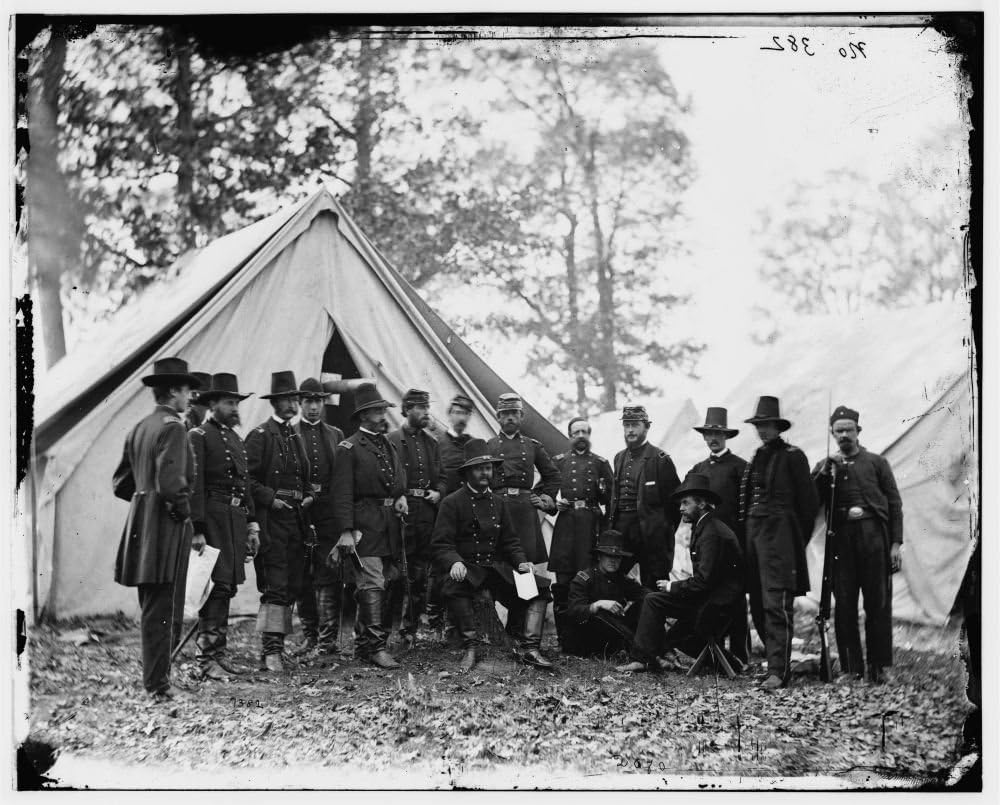
[In November 1862, she decided General Ambrose Burnside’s sick and wounded men at Warrenton, Virginia, needed help, so she went.]

Carrying with her a blank book for keeping track of the names of patients, Dr. Walker found some men on the floor of an old house, many suffering the effects of typhoid.

(General Burnside and staff at Warrenton, 1862)

[In December] Dr. Mary Walker volunteered at Lacy House in Falmouth, a behind-the-lines station where soldiers received treatment before being sent on to Washington.

(Smithsonian Institution)


Dr. Mary Walker Wednesday #3 (plus a little bonus)

This is the third in my Dr. Mary Walker Wednesdays series. Each week I’ll post the first sentence of a new chapter, along with an image (or two) that relates to material in the chapter. This week features Walker’s medical work in the nation’s capital. And since we’re all thinking a lot about containing the spread of disease, I’ve added some bonus content from the book that explains how Americans dealt with this during the Civil War.

Chapter Three: Volunteer Surgeon

Dismissed by the secretary of war, Dr. Mary Walker searched Washington, DC, for a position at one of the new military hospitals.

(both images from the Smithsonian Institution)

Dr. Walker volunteered her services at the Indiana Hospital, situated inside the US Patent Office Building. One of her primary responsibilities was to perform pre-admittance examinations of patients to make sure they did not have smallpox. “Patients were daily brought in ambulances to the west sidewalk of the Patent Office Building,” she later wrote. Dr. Green, the physician in charge, would send for her “to come down and examine the cases so that no cases of possible smallpox might be taken up there” to the hospital ward.

A viral infection, smallpox spread through face-to-face contact via coughing and sneezing. Fever and body aches were followed by a red rash in the mouth and on the tongue, culminating in a pustule rash on the rest of the body. Three out of every ten people who caught it usually died. A successful vaccination had been developed, but it was not widely used in the early 1800s. During the Civil War, desperate soldiers fashioned their own vaccine, taking pus from an afflicted compatriot and scratching it into their skin. Their limited knowledge made this a high-risk proposition.

Doctors like Mary Walker managed to contain smallpox during the war. Pure, unadulterated vaccines reached enough soldiers to prevent an epidemic, but not enough to eradicate the disease. Quarantine, the primary method Walker relied on, also helped to stem the contagion.

Next week’s entry will provide a glimpse of some of Mary Walker’s other wartime activities.

Stay safe and stay healthy.


Dr. Mary Walker Wednesday #2 (No Fooling)

This is the second in my Dr. Mary Walker Wednesdays series. Each week I’ll post the first sentence of a new chapter, along with an image that relates to material in the chapter. This week features the man who served as President Lincoln’s first Secretary of War.

Chapter Two: Commission Seeker

Dr. Mary Walker met with sixty-two-year-old Simon Cameron, a tall, clean-shaven man with an abundance of white hair.

(Library of Congress)


Dr. Mary Walker Wednesdays

Getting ready to launch a new book can be a bit nerve-racking, even in the best of times. I don’t think it’s too dramatic to point out that these are not the best of times. I hope everyone is staying safe and healthy, and I am very grateful to all the health care professionals, grocery store workers, public safety officials, and anyone else involved in pulling us through this medical crisis.

Today is National Medal of Honor Day.

Image result for national medal of honor

Only one American woman, Dr. Mary Walker, the subject of my forthcoming book, has ever received this commendation. It was awarded in 1865 in recognition of the service she rendered in the Civil War. Each Wednesday in these weeks leading up to the book’s publication, I’ll post the first sentence from a chapter along with an image that reflects something that happens in the chapter. Hopefully, these snippets will intrigue you enough to want to read the book.

Chapter One: Getting to Washington

In the early fall of 1861, Dr. Mary Walker, a twenty-nine-year-old dedicated reformer and passionate supporter of the Union, went to Washington, DC.

(Washington, D.C. train station image from Washington Historical Society)