Women’s History Month Wednesday: Harriot Stanton Blatch

In today’s language, Harriot Stanton Blatch was a suffragist nepo baby.

She was born in 1856 in Seneca Falls, New York, the sixth of Elizabeth Cady Stanton’s seven children. Throughout her childhood, reform occupied center stage in the household. Her mother was one of the organizers of the 1848 Women’s Rights Convention in Seneca Falls, which helped launch a movement that in some shape or form continues to this day. Harriot’s father, Henry, was an abolitionist, journalist, and politician.

Harriot received an undergraduate degree from Vassar College in 1878 and a master’s degree in 1894. In between, she joined the suffrage cause and helped her mother and her mother’s political partner, Susan B. Anthony, write their History of Woman Suffrage. Harriot also married a British businessman, William Henry Blatch, in 1882, and spent the next twenty years living in England with him and raising their two daughters, one of whom died young. By the 1890s, she’d become a proponent of “voluntary motherhood,” encouraging married women to choose when and how often to become pregnant, thus deciding when to have intercourse with their husbands.

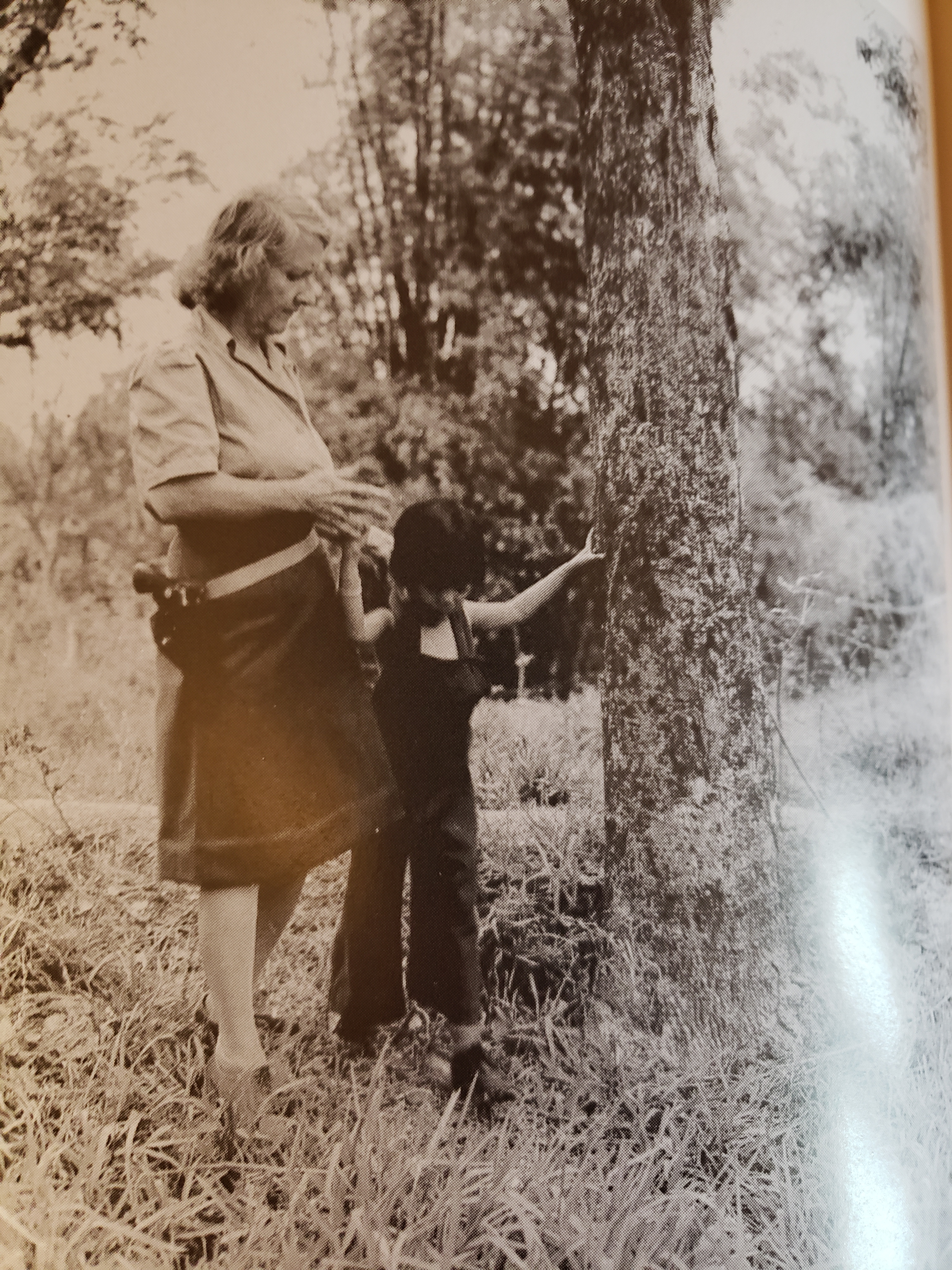
(left to right: Nora Blatch, Elizabeth Cady Stanton, Harriot Stanton Blatch)

The Blatch family moved to New York City in 1902, following the death of Elizabeth Cady Stanton, and Harriot immersed herself in reform causes that highlighted the intersection of workers’ rights and women’s suffrage. After joining the Women’s Trade Union League, she founded, in 1907, what would come to be known as the Women’s Political Union. This brought some 20,000 New York City working women into the suffrage movement. Harriot further revitalized the movement by organizing public parades at a time when “proper” women didn’t flaunt themselves in such a way.

Harriot Stanton Blatch’s tactics and ideology overlapped with those of feminist Alice Paul; in 1915 she merged her Women’s Political Union with Paul’s Congressional Union, which became the National Woman’s Party. When the United States entered World War I, Harriot took on the directorship of the Woman’s Land Army, an organization that guaranteed farm labor would continue as American men joined the military.

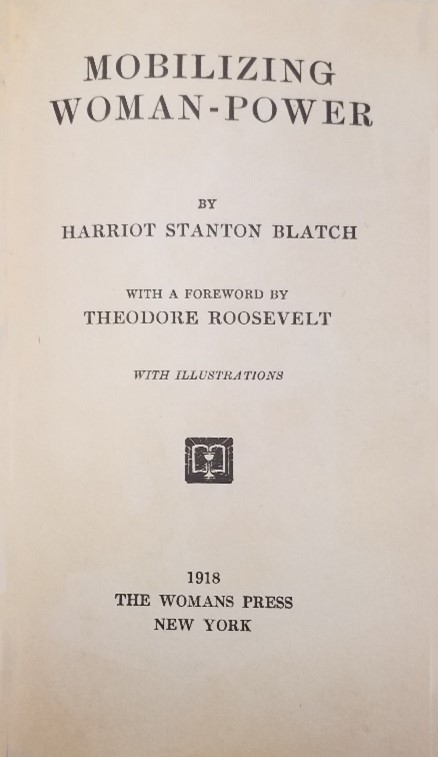
After the war, she published two books: Mobilizing Woman-Power, a celebration of women’s contributions to the war effort and a brisk reminder of their duties as citizens, and A Woman’s Point of View: Some Roads to Peace, which focused on the affects of war on women and children and the role of women in shaping peace.

The Nineteenth Amendment passed in 1920, guaranteeing most American women the right to vote. Harriot became a proponent of the Equal Rights Amendment, viewing it as the next necessary step to securing women’s rights. In 1922, she published a co-edited collection of her mother’s papers, Elizabeth Cady Stanton as revealed in her letters, diary, and reminiscences. Shortly before Harriot’s death in 1940, she finished (with the help of feminist Alma Lutz) her own autobiography, Challenging Years: The Memoirs of Harriot Stanton Blatch.

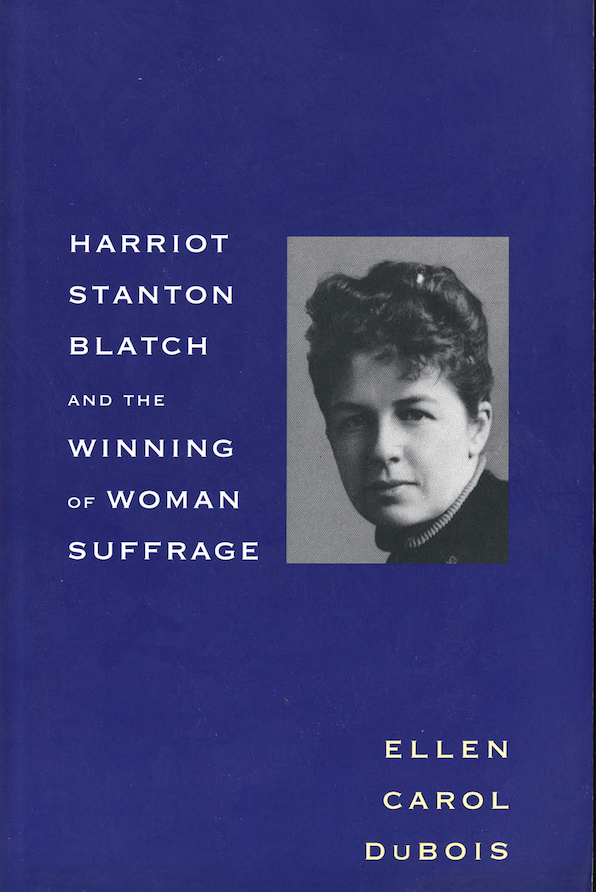
Historian Ellen Carol DuBois brought Harriot Stanton Blatch’s career to life in the 1997 prize-winning biography, Harriot Stanton Blatch and the Winning of Woman Suffrage. DuBois, now retired as a professor of history and gender studies at the University of California, Los Angeles, is considered a pioneer in the field of women’s history. As a graduate student at Northwestern University, DuBois became involved with the Chicago Women’s Liberation Union, the radical wing of the 1960s women’s rights movement. Her 1978 book, Feminism and Suffrage: The Emergence of an Independent Women’s Movement in America, 1848-1869, was considered for many years as the best book on the suffrage movement, inspiring many other historians to explore its multiple facets.

Dr. Mary Walker Wednesday #9

A big thank you to everyone who has been dropping by every week to read these teasers, and some have been kind enough to leave messages about how much they are looking forward to reading the book. Dr. Mary Walker’s Civil War launches on June 1. If you follow me on Facebook and/or belong to the Nonfiction Fans group there, you will start seeing more book promotion activity. Preorders are still important to raise the book’s visibility. You can do that through Bookshop and help local bookstores in the process!

Now, on to the main event.

Chapter Nine: Women’s Rights During Radical Reconstruction

Although Mary Walker proudly wore her Medal of Honor, she understood the award allowed the government to recognize her achievements without giving her the retroactive commission she desired.

Dr. Mary E. Walker wore her Medal of Honor around her neck for the rest of her life. (National Archives photo)

(National Archives)

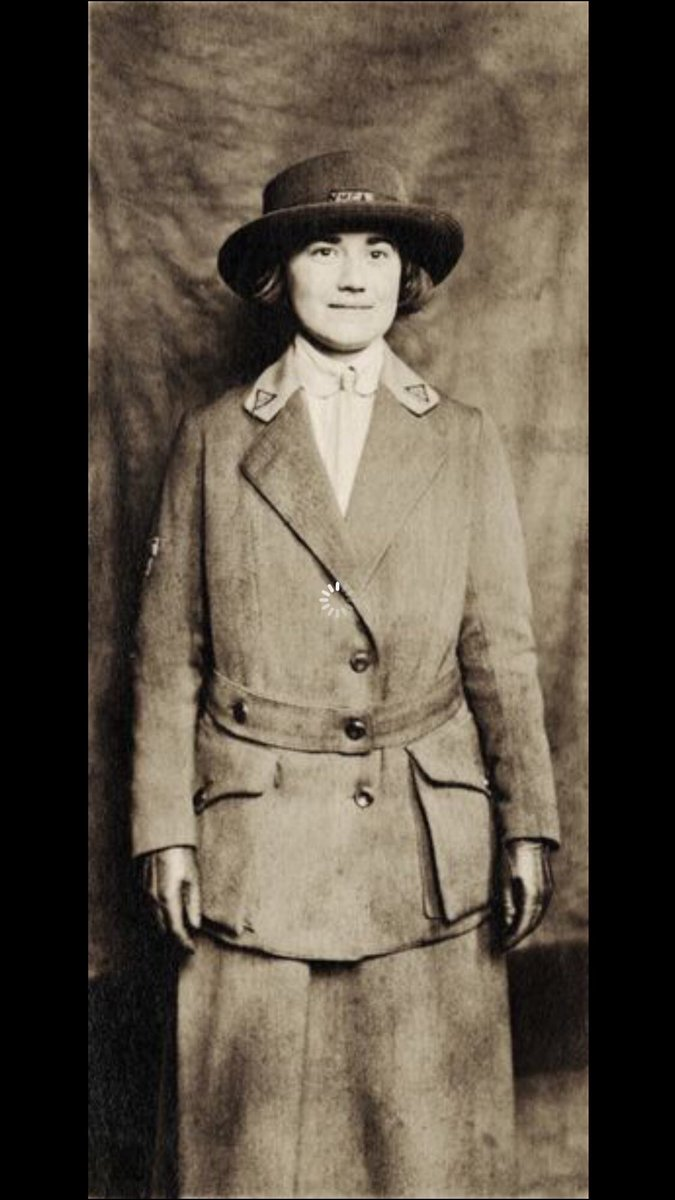
This is my favorite photo of Walker. It captures her intensity and dedication; it signals her commitment to learning.

This was also one of my favorite chapters to research and write. Dr. Walker’s fight shifted from helping to save the Union to securing voting rights for women. Though it is easy to cheer her on for that, her views on race were not as laudable. You will be able to read more about that in Chapter Nine.


Dr. Mary Walker Wednesday #8

We’re closer to the end of Dr. Walker’s story than the beginning. Chapter Eight is the first one about her postwar life. Still a young woman at the conclusion of the Civil War, she had much to yet accomplish.

Chapter Eight: The Medal of Honor

The war may have ended, but not Dr. Mary Walker’s work.

Trinity Episcopal Parish | Clarksville, Tenn.

In Clarksville, Tennessee, she provided medical care for women. While attending services at the Trinity Church, Dr. Walker got into a dispute with its minister over issues of loyalty, a controversy that spilled into the community. During the months following the warm she considered various job opportunities as she struggled, physically and emotionally, with the transition to peacetime life.

At the end of August 1865, after receiving testimonials about Mary Walker’s accomplishments, President Andrew Johnson asked the secretary of war to find out “if there is any way in which or precedent by which” any recognition could be made of the doctor’s wartime service.

U.S Army Civil War Medal of Honor | Per Wikipedia: "The Meda… | Flickr

Learn how Edwin Stanton and Joseph Holt, the judge advocate general, decided how such recognition could be made–all in Chapter Eight.

Remember, Dr. Mary Walker’s Civil War releases on June 1!

Stay safe and stay well. See you next week.


Dr. Mary Walker Wednesday #7

Last week, we saw hints of a very dramatic and traumatic time in Dr. Walker’s life. This week, as the Civil War moves through its final months, we get a glimpse of how she picked up the pieces.

Chapter Seven: Surgeon in Charge

The newly released prisoner returned to Washington, DC, with only a set of well-worn clothes on her back.

Union Prisoners, Andersonville

(A.J. Riddle photo, 1864, New-York Historical Society)

This is a photo of the infamous Andersonville prison, officially known as Camp Sumter, located in southwest Georgia. Mary Walker had the good fortune never to step foot inside. About 45,000 Union soldiers were held prisoner there, and close to 13,000 died, mostly because of malnutrition.

Read more about prisoners of war in the forthcoming Dr. Mary Walker’s Civil War.

Until next week, stay safe and well, as always.


Dr. Mary Walker Wednesday #6

Today marks the halfway point of the Dr. Walker Wednesdays. Last week, we found her tirelessly working in Washington, D.C. and in the field with Union troops. This week, we see a dramatic turn as a result of her time in the field.

Chapter Six: Union Spy

At the beginning of 1864, Dr. Mary Walker immersed herself in women-led organizations.

(Dept. of Rare Books and Special Collections, University of Rochester Libraries)

One was the Women’s Loyal National League (or Women’s National Loyal League), organized in 1863 by Elizabeth Cady Stanton and Susan B. Anthony, who were suffragists and abolitionists.

As the chapter title indicates, Dr. Walker also engaged in some risky activities while she was away from the nation’s capital tending to sick and wounded soldiers:

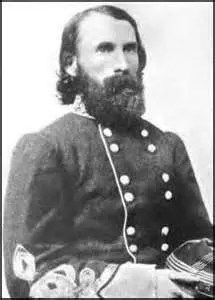
On her way back to Lee and Gordon’s Mills on April 10, 1864, a few of Confederate general Daniel Harvey Hill’s soldiers, weapons drawn, detained Dr. Mary Walker.

A photograph of Daniel Harvey Hill in confederate uniform. Image from the University of Arkansas.

(Gen. Hill, University of Arkansas photo)

What was Dr. Walker doing there? What did the Confederate soldiers do with her? The rest of that story is in Chapter Six.

Until next week, stay safe and stay healthy.