2019 Reading Continued: Mystery Series

When I looked back on my 2019 reading, I was a bit surprised to see how many mystery series I keep up with.

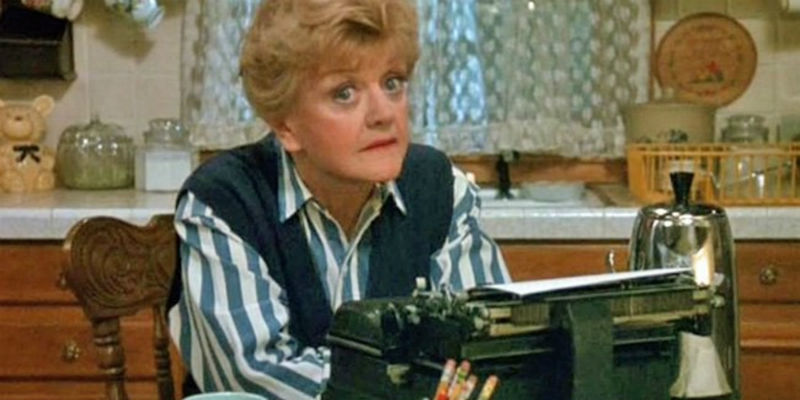
Image result for jessica fletcher

For me, the best of them demonstrate interesting character development over time and have vivid settings. These were my favorites.

I’ve sung the praises of the Maisie Dobbs series before, especially with Winspear’s willingness to throw lots of changes at Maisie and make them all work out.

The American Agent: A Maisie Dobbs Novel by [Winspear, Jacqueline]

Confession: I haven’t read all the Harry Potter books. But I’ve never missed an installment of “Robert Galbraith”‘s Cormoran Strike series.

Lethal White (Cormoran Strike Book 4) by [Galbraith, Robert]

Another confession. I can take or leave Jack Reacher (who has been compared to Petrie’s main character, though I’ll read one of Lee Child’s books if I happen across it at the library and usually enjoy it), but I always make sure to pick up Petrie’s latest about Iraq war veteran Peter Ash.

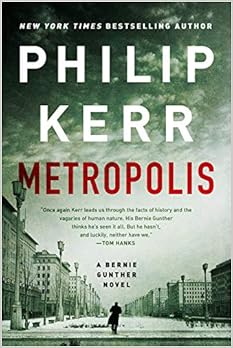
Oh, how I will miss Bernie Gunther. The late Philip Kerr created a truly memorable character.

Next, I’ll wrap up with a look at nonfiction.


Novels I Liked in 2019

In addition to the six favorites from yesterday’s post, there were six novels I liked. All were written by women, though not all were necessarily published in 2019.

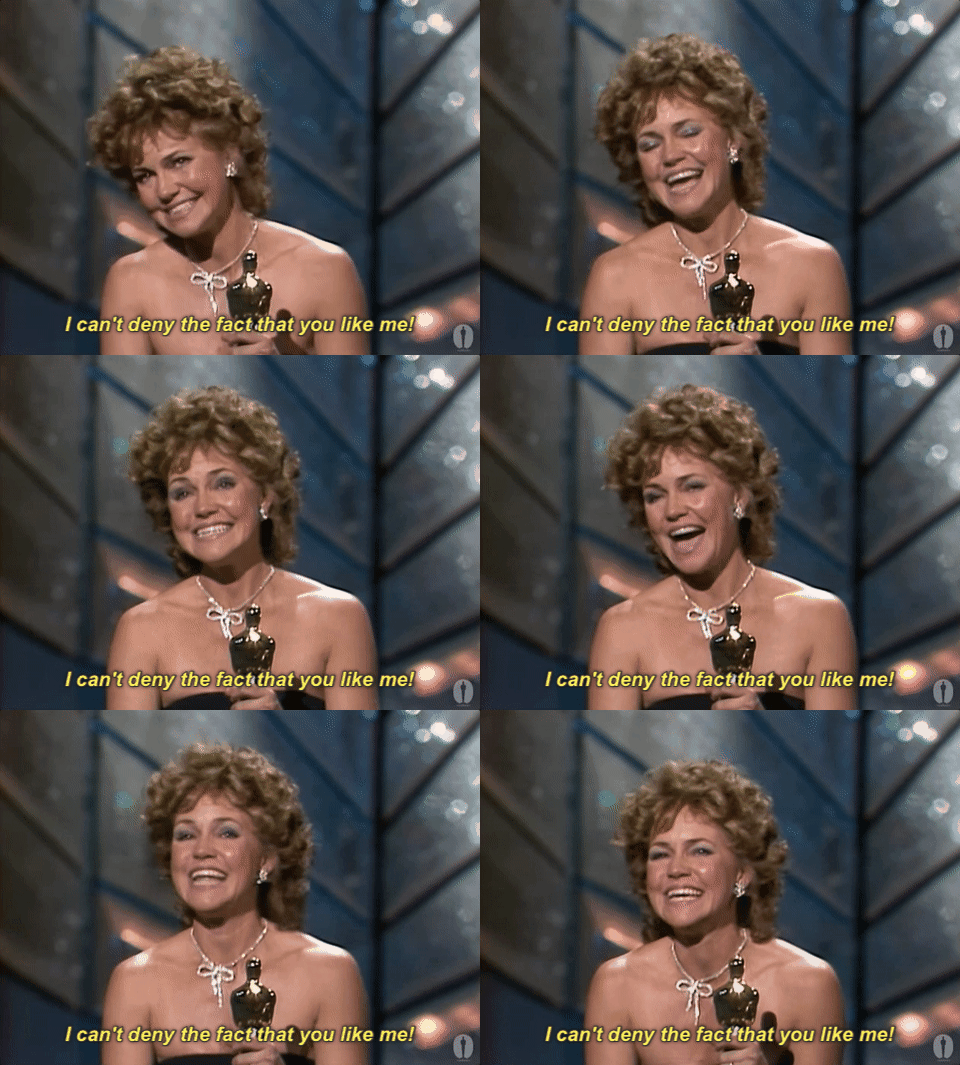
Image result for sally field you like me

I admired the interweaving of women’s rights history and Hollywood history.

On the evils of slavery.

A compelling tale of how the bonds of friendship stretch during trying times.

What happens to children when their mother goes away?

Sharp rather than laugh-out-loud funny, this is a clever portrayal of modern marriage.

Fleishman Is in Trouble: A Novel by [Brodesser-Akner, Taffy]

So many people love this book, and I found it intriguing.

Coming tomorrow, novels from my favorite mystery series.

My Favorite Novels of 2019

Welcome to 2020!

Image result for happy new year 2020

This is the time of year when I think about my reading of the past year. In 2019, I read about 64 books. These are the ones, both fiction and nonfiction, I recorded on Goodreads and don’t include books I read for my reviewing gig or for research.

It felt like another odd reading year, mostly because it seemed like I was writing all the time. (My book on Dr. Mary Walker comes out in June, and I’m already headlong into the next one, a biography of Dale Evans.) It’s also probably because, once again, I don’t have the traditional “top ten” list. I’ve got six. (Next up will be a list of novels I liked, rather than loved, and that’s longer.)

Some observations and reminders. These are my favorites of 2019 but it doesn’t mean they were published in 2019. Female authors still outnumber male authors, and I haven’t done so well with diverse voices this time around.

So, in no particular order, my 2019 favorites:

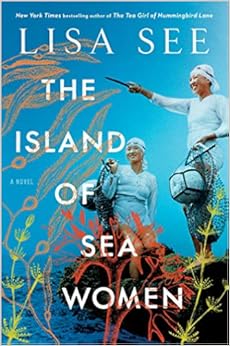
Beautifully written, this will take most readers into a totally unfamiliar world.

A stunning portrait of Nazi-occupied France, this is based on the activities of Varian Fry’s rescue network.

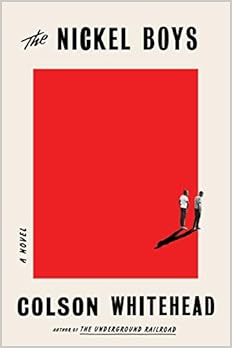
Also based on real events, Whitehead delivers an absorbing account of the wide ranging destructiveness of racism.

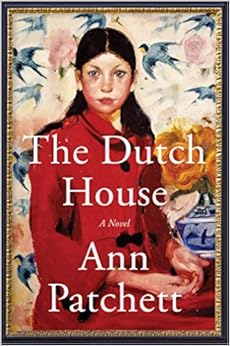
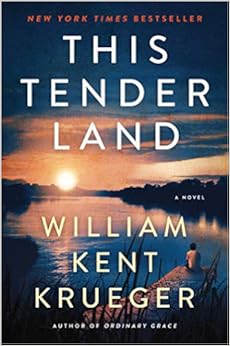
A poignant tale of four orphans struggling through the Great Depression.

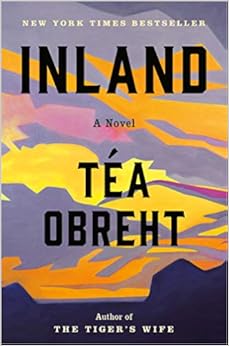
A modern classic western. With camels.

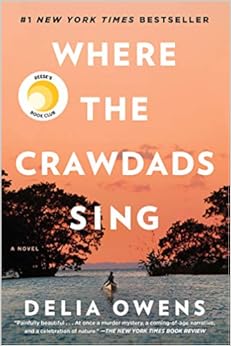
A sweeping, multi-generational family saga–I passed it by several times on the library’s new book shelf and am so glad I finally gave it a chance.


Happy Birthday to Dr. Mary Walker

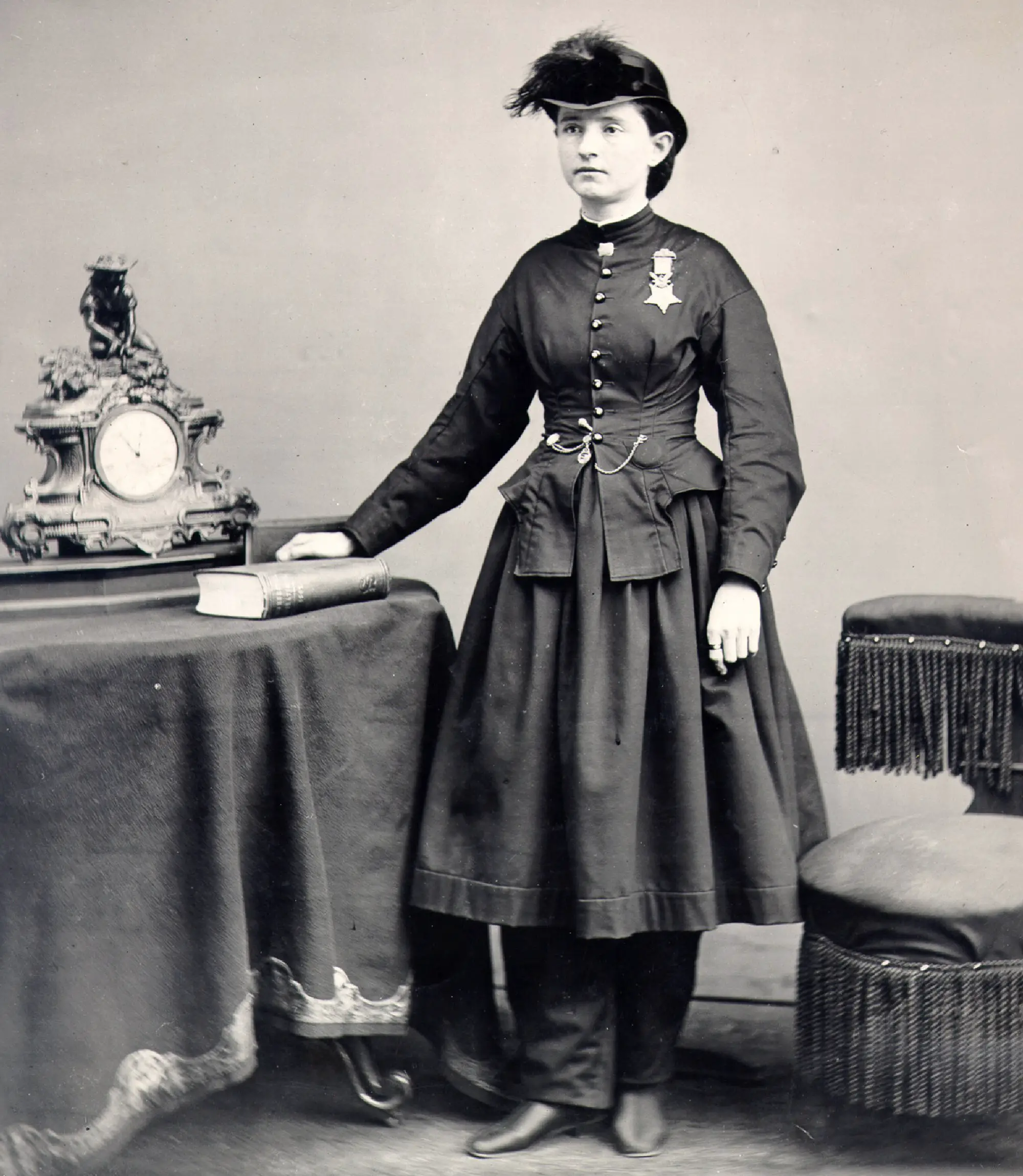
Dr. Mary Edwards Walker, the only female recipient of the Medal of Honor, was born on November 26, 1832, in Oswego, New York.

Dr. Mary Edwards Walker was born in the town of Oswego in 1832. She served as a surgeon in the Civil War before being captured crossing enemy lines to treat wounded civilians. She was awarded the Congressional Medal of Honor for her valor; the only woman in history to receive the distinction. She devoted her life to social causes, becoming a prominent writer and lecturer and advocating for the abolition of slavery as well as promoting women's suffrage and dress reform. Image courtesy of the Matthew Brady Collection of Civil War Photographs in the National Archives in Washington, D.C.(National Archives)

She grew up believing in abolition and women’s rights. During a time when most medical schools refused to admit women, Mary Walker found one that did–the Syracuse Medical College–and graduated in 1855.

In 1861, not long after the start of the Civil War, Dr. Walker shuttered her private practice in Rome, New York, and traveled to Washington, D.C., where she requested a commission as an assistant surgeon in the U.S. Army. Denied because of her gender, Walker volunteered, working at hospitals in the capital city as well as in the field. In 1865, President Andrew Johnson awarded her the Medal of Honor for her services as a physician during the war.

Mary Walker was a controversial figure. Not only had she chosen a “man’s profession,” she also adopted reform dress. Commonly known as the Bloomer costume, Dr. Walker wore trousers under a shortened skirt. She was arrested several times for wearing “men’s clothing” in public yet she never gave up her bloomers. It was a woman’s right, she believed, to wear what she wanted and to do the kind of work she wanted.

A prolific writer and public speaker, Dr. Mary Walker campaigned for women’s voting rights after the Civil War. She died in 1919, the year before the ratification of the Nineteenth Amendment.

The details of her extraordinary life can be found in my forthcoming book, Dr. Mary Walker’s Civil War, available for preorder now.


Before There Was a Veterans Day

President Woodrow Wilson created the first Armistice Day in 1919 to mark the anniversary of the end of World War I, November 11, 1918. During the 1920s, successive presidents made annual proclamations for observing November 11 with appropriate ceremonies. Armistice Day became a legal holiday in 1938, designed to honor veterans and the cause of world peace.

(LOC)

The peace did not last. After World War II ended in 1945, a movement started for a designated remembrance of all veterans. Congress passed legislation in 1954 substituting Veterans Days for Armistice Day. Beginning in 1971, because of the Uniform Monday Holiday Act, official celebrations of Veterans Day were moved to the fourth Monday in October.

Before the two world wars, the United States had been involved in its own Civil War. A year after that conflict ended in 1865, the Grand Army of the Republic (GAR) formed to provide fellowship and support for Union veterans. The GAR also organized the earliest Memorial Day celebrations and supported federal pensions for veterans.

The GAR extended membership to at least two women: a vivandiere from Rhode Island named Kady Brownell and Sara Emma Edmonds, who dressed like a man to join the 2nd Michigan Infantry.

Though no evidence exists that she was a member, Dr. Mary Walker attended many GAR events, including one in Steubenville, Ohio in 1879. Her employment as a contract surgeon with the 52nd Ohio was as close to military service that she could get during the Civil War. After the war, Dr. Walker frequently received letters from men she had treated or met. If they were in need of assistance, she always tried to help.

About 6200 veterans marched in a parade in Steubenville on August 28, 1879. Twenty-five thousand people crowded into the city to take part in the festivities. Many belonged to area GAR posts. Dr. Walker sat on the bandstand platform, surrounded by politicians and generals, to listen to speeches. Local newspapers referred to her as a “veteran”–with the word carefully bracketed by quotation marks. She felt honored.

(LOC)

As Civil War veterans aged and died, membership in the GAR dwindled. It dissolved in 1956, after the death of its last member.