Women’s History Month 2020

This year’s Women’s History Month theme marks the 100th anniversary of the ratification of the 19th Amendment.

valiant women

It’s also known as the women’s suffrage amendment, but every time I describe it that way, I like to clarify that though the amendment was supposed to apply to women–as in all adult women–in reality, racial discrimination prevented most women of color from voting. Many early histories of the women’s suffrage movement sideline these racial issues, barely acknowledging the contributions, for example, of African American women in cultivating support for the amendment.

Historian Cathleen Cahill has a book coming out this fall called Recasting the Vote: How Women of Color Transformed the Suffrage Movement. According to the book description: “It is a collective biography of six suffragists–Yankton Dakota Sioux author and activist Gertrude Bonnin (Zitkala-Ša); Wisconsin Oneida writer Laura Cornelius Kellogg; Turtle Mountain Chippewa and French lawyer Marie Bottineau Baldwin; African American poet and clubwoman Carrie Williams Clifford; Mabel Ping Hau Lee, the first Chinese woman in the United States to earn her PhD ; and New Mexican Hispana politician and writer Nina Otero Warren–both before and after the ratification of the Nineteenth Amendment.” This looks fascinating.

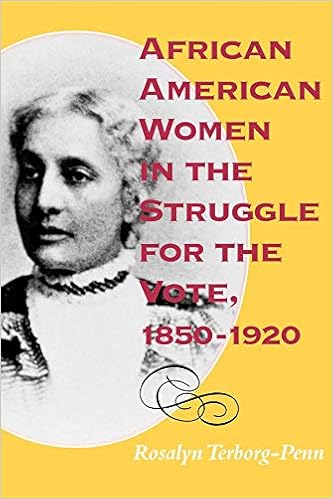
While you wait for Cahill’s book, consider picking up a copy of Rosalyn Terborg-Penn’s classic African American Women in the Struggle for the Vote, 1850-1920.

Image result for rosalyn terborg-penn african american women and the struggle to vote

You’ll meet lots of great women in this book, too, and won’t soon forget them.


The Casual Silencing of Women

In 1863, Dr. Mary Walker, who donated her medical expertise to the US army during the Civil War since it would not commission her because she was a woman, wrote in an article for the women’s rights journal, The Sibyl:

“Not until this ‘cruel war’ has ceased, and peace shall again be ours, and a dozen histories be written containing all the facts and events that each historian shall have collected, and the noble women from all be compiled, not, I say, until then shall the world know how much women have done.”

MEW 1864 Drexel(Drexel University, College of Medicine, Archives and Special Collections)

Mary Walker understood the importance of history, and she understood the difficulties women faced in getting their voices heard. She encountered gender discrimination her entire life because of her choice in fashion, her decision to become a doctor, and her dedication to the women’s suffrage movement. If the world did not know how much women did during the Civil War and acknowledge their contributions, nothing would change, women would never achieve equality.

I thought about Dr. Walker this morning as I came across a link to a Washington Post article in my Twitter feed. Joe Heim reported about a photo display in the National Archives meant to honor the centennial of women’s suffrage. One picture, taken at the 2017 Women’s March by Getty photographer Mario Tama, had been altered, blurring out the name of the current POTUS and the words vagina and pussy.

The voices of the women involved in that protest had been erased, their concerns–and their anger–blotted out.

Why? Heim quoted from an email from the spokesperson for the National Archives, Miriam Kleiman: “As a non-partisan, non-political federal agency, we blurred references to the President’s name on some posters, so as not to engage in current political controversy.” Vagina and pussy received the same treatment out of concerns that the words could be viewed as “inappropriate” for students and other young people visiting the Archives.

Historians were quick to level criticism, rejecting Kleiman’s distinction that “In this case, the image is part of a promotional display, not an artifact.” Purdue University’s Wendy Kline pointed out, “Doctoring a commemorative photograph buys right into the notion that it’s okay to silence women’s voice and actions.”

In 2020, one hundred years after women got the right to vote–which was supposed to reinforce their equality of citizenship–women still have to fight against this erasure.

Karin Wulf, from the College of William and Mary, made another important observation. “The Archives has always been self-conscious about its responsibility to educate about source material, and in this case they could have said, or should have said, ‘We edited this image in the following way for the following reasons.’ ” She also posted an insightful Twitter thread on the matter.

To its credit, the National Archives took these concerns and criticisms seriously. In a matter of hours, it admitted, “We made a mistake,” and apologized.
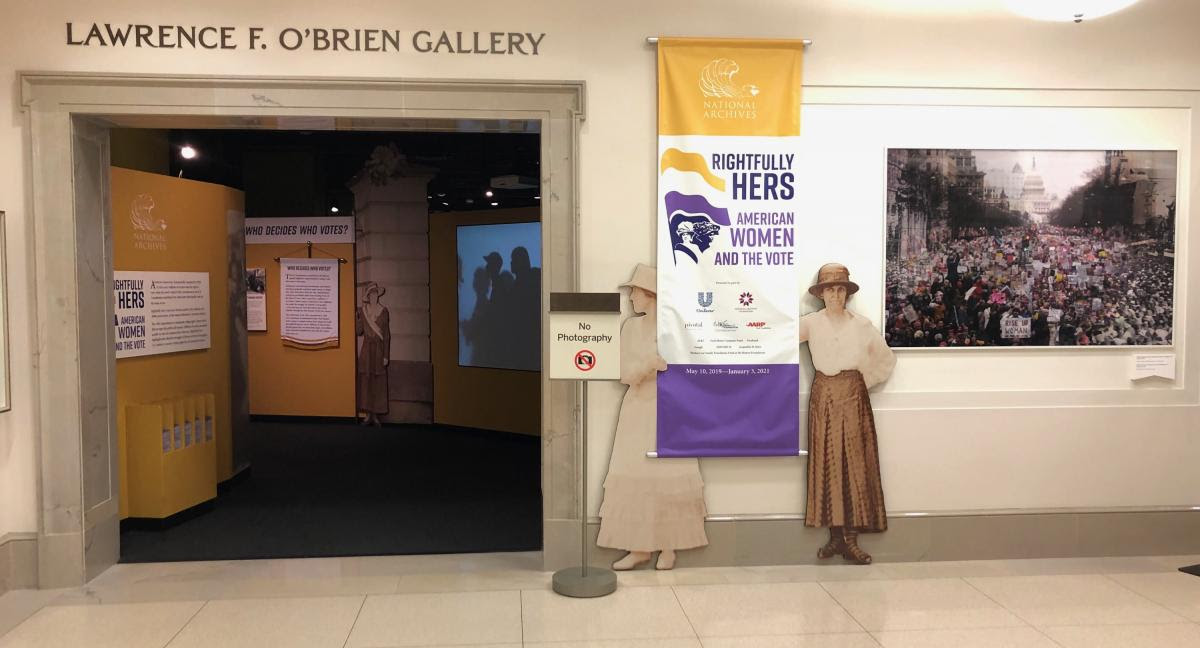
Image(John Valceanu photo)

It is a good apology, timely and sincere. The image was taken down. The Archives will review its policies.

Leaving that image in place would have validated the notion that it is okay to blur or leave out things that we disagree with or make us uncomfortable. And that is not the way to preserve history. (It is surprising that anyone at the National Archives, which the United States entrusts with its historical documents, thought this was okay. It knows it has to do better.)

And once again, women are confronted with how casually their voices can be erased from the historical record.

Dr. Mary Walker would be appalled, but not surprised.


My 2019 Nonfiction Reading

For my final installment of reviewing my 2019 reading, I turn to nonfiction. I don’t keep a tally of how many nonfiction books I read in a given year because there are simply too many of them.

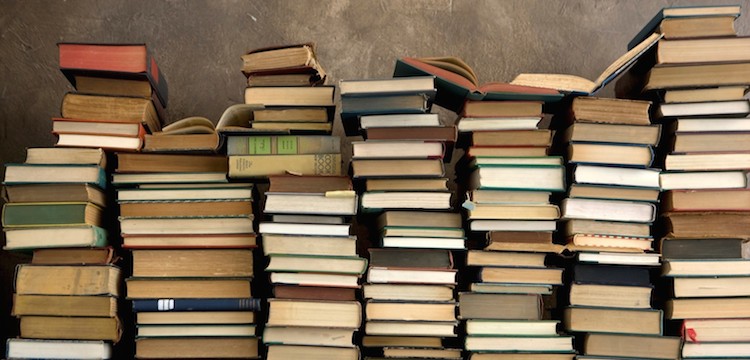
(photo via LitHub)

Between research for my own writing and all the books I’m assigned to review for a national book publishing magazine, I think my study always looks like that photo above. It’s a real treat when I get to read a work of nonfiction just because I want to.

From 2019, three really stand out–so much that I find myself thinking about them from time to time.

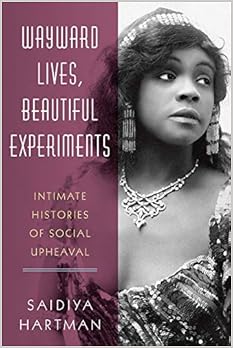
Saidiya Hartman’s lovely prose, flawless research, and imaginative approach make this history of the lives of young black women unforgettable.

If you’re inclined to write this off as another rehash of the Jack the Ripper story, don’t. Hallie Rubenhold’s focus on the five murdered women makes for a fascinating look at the lives of English women in the late 19th century and a compelling  examination of the city of London.

Stephanie Jones-Rogers’s revelation of white women’s participation in the institution of slavery is stunning.

If nonfiction is your thing, consider joining the Nonfiction Fans discussion group on Facebook. I’m one of the co-moderators.

Here’s hoping 2020 is a great reading year for everyone!


2019 Reading Continued: Mystery Series

When I looked back on my 2019 reading, I was a bit surprised to see how many mystery series I keep up with.

Image result for jessica fletcher

For me, the best of them demonstrate interesting character development over time and have vivid settings. These were my favorites.

I’ve sung the praises of the Maisie Dobbs series before, especially with Winspear’s willingness to throw lots of changes at Maisie and make them all work out.

The American Agent: A Maisie Dobbs Novel by [Winspear, Jacqueline]

Confession: I haven’t read all the Harry Potter books. But I’ve never missed an installment of “Robert Galbraith”‘s Cormoran Strike series.

Lethal White (Cormoran Strike Book 4) by [Galbraith, Robert]

Another confession. I can take or leave Jack Reacher (who has been compared to Petrie’s main character, though I’ll read one of Lee Child’s books if I happen across it at the library and usually enjoy it), but I always make sure to pick up Petrie’s latest about Iraq war veteran Peter Ash.

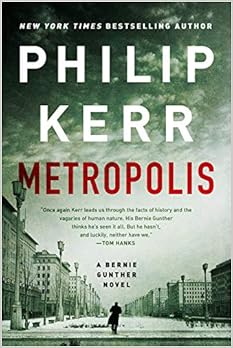
Oh, how I will miss Bernie Gunther. The late Philip Kerr created a truly memorable character.

Next, I’ll wrap up with a look at nonfiction.


Novels I Liked in 2019

In addition to the six favorites from yesterday’s post, there were six novels I liked. All were written by women, though not all were necessarily published in 2019.

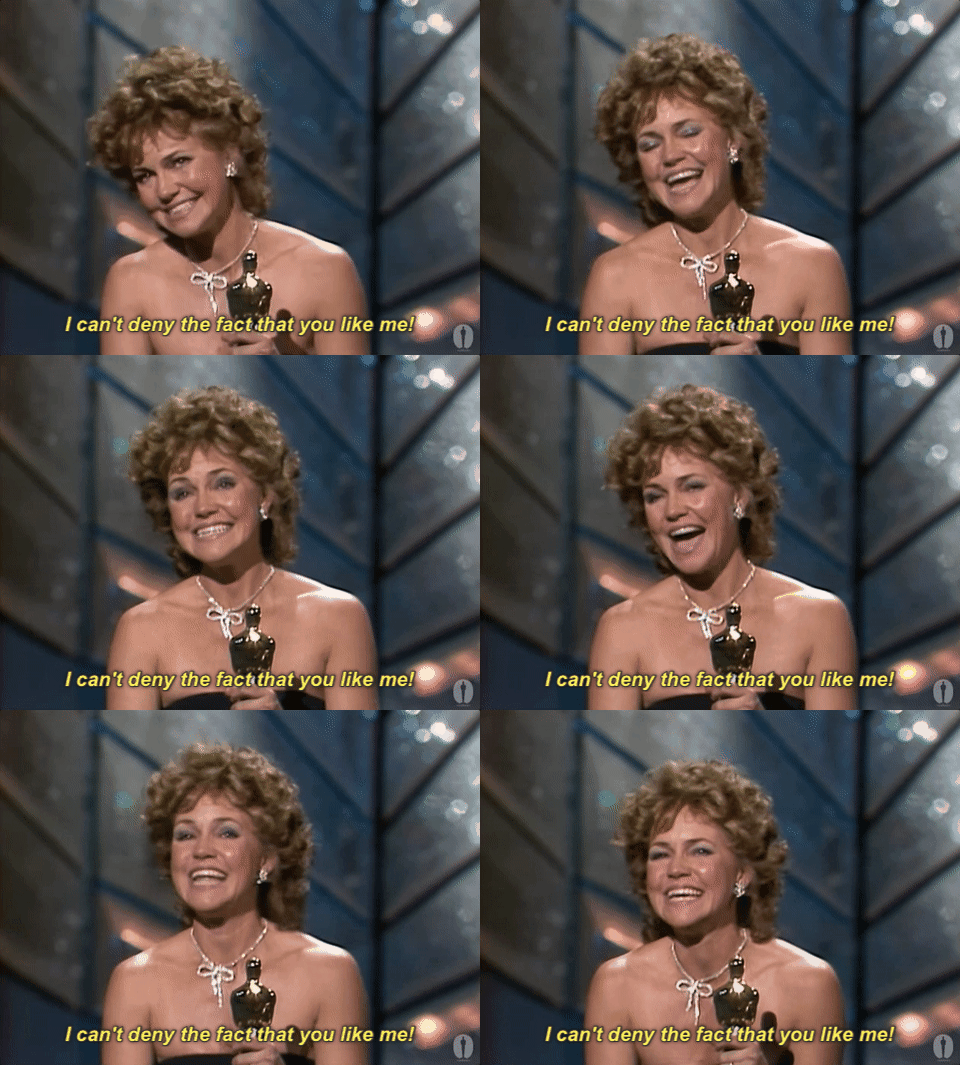
Image result for sally field you like me

I admired the interweaving of women’s rights history and Hollywood history.

On the evils of slavery.

A compelling tale of how the bonds of friendship stretch during trying times.

What happens to children when their mother goes away?

Sharp rather than laugh-out-loud funny, this is a clever portrayal of modern marriage.

Fleishman Is in Trouble: A Novel by [Brodesser-Akner, Taffy]

So many people love this book, and I found it intriguing.

Coming tomorrow, novels from my favorite mystery series.